
We don’t often look with suspicion at the plastic wrapping a block of cheddar, the waxed carton containing milk, or the plastic bottle of ketchup. We expect food packaging to be more or less inert—breakfast isn’t supposed to come with a side of chemicals, after all. But evidence suggests that many food-contact materials, as food packaging is known, leach chemicals into the products they house. The most famous of these is likely bisphenol A (BPA), an ingredient in plastic that is a potent endocrine disrupter. In 2025, the E.U. banned BPA’s use in food-contact materials, and in the U.S. it’s banned in baby bottles, sippy cups, and formula packaging.But when one chemical is demonized, its replacement may not be any safer, says Helene Weisinger, a chemist at the Swiss nonprofit Food Packaging Forum. (BPA, for instance, is often replaced with BPS, which turns out to have similar issues.) It’s “chemical whack-a-mole,” Weisinger says. In a recent paper in Environmental Science and Technology, she and her colleagues propose a new system for avoiding this situation, in which chemically similar substances are grouped together and may be banned or regulated together, rather than one by one—an...
Related



Your Favorite Song Might Make Pain Hurt Less
2 days ago
17

What is group A strep, and how do you catch it?
2 days ago
19

Fjord Details a Family’s Sudden Nightmare in Norway
2 days ago
16


The New Fight to Legitimize Conversion Therapy
2 days ago
15
Popular

You Say “AI,” I Hear “Organoid”
1 week ago
114

Executives of the Year: Dennis Hancock
2 weeks ago
113

Democrats in Key Senate Races Embrace 'Capitalist' Label
6 days ago
106

Thinking of Healthcare Reform as a Movement
1 week ago
92

Get Stronger With These 5 Movements
3 weeks ago
69

4 TikTok Health Trends: Heart or Hype?
3 weeks ago
67
![Vegan Million Dollar Spaghetti [No-Bake Recipe!]](https://i0.wp.com/healthyhelperkaila.com/wp-content/uploads/2025/08/MillionDollarSpaghetti4.png?fit=800%2C800&ssl=1)
Vegan Million Dollar Spaghetti [No-Bake Recipe!]
3 weeks ago
67

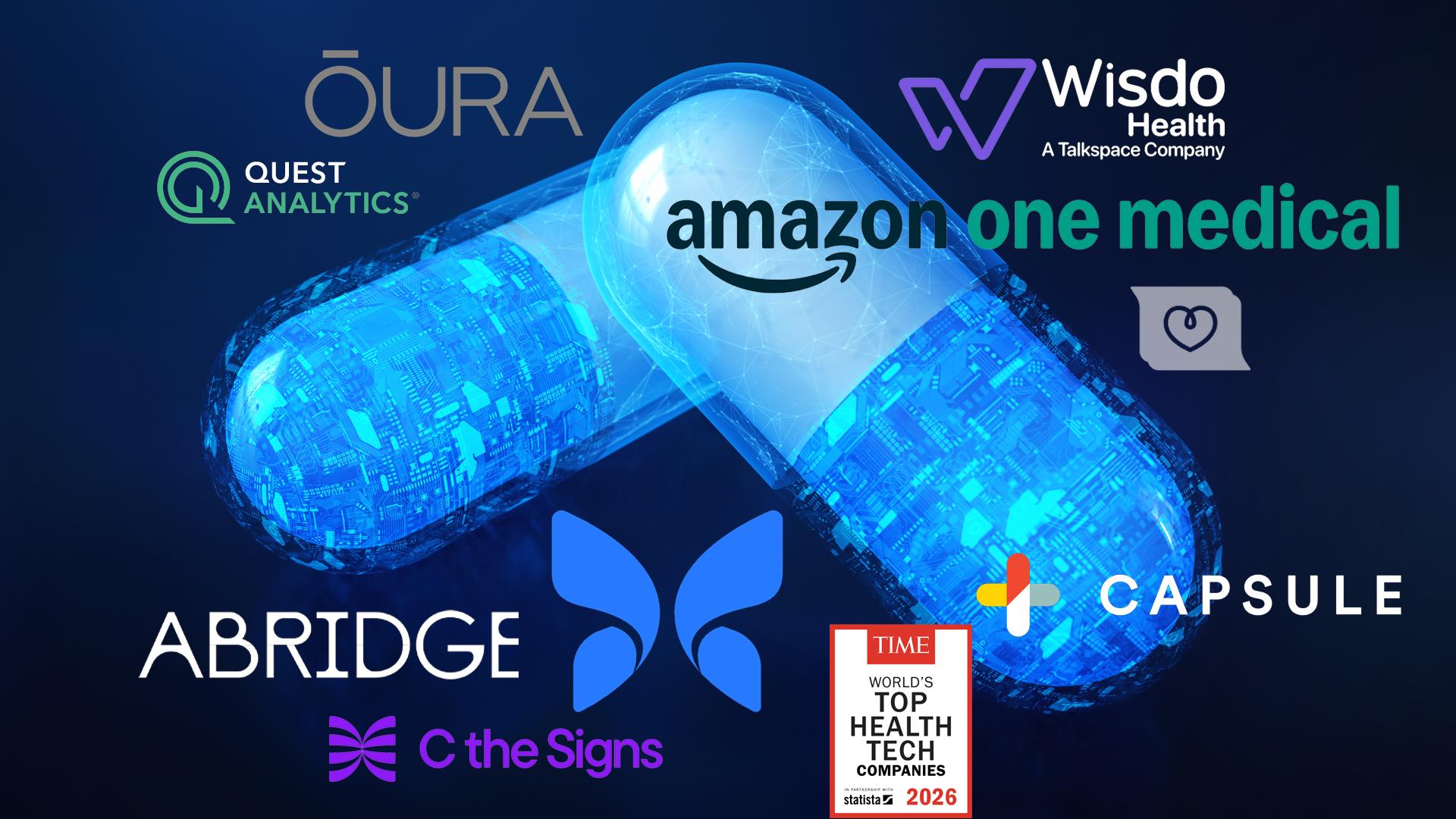
World's Top HealthTech Companies of 2026
3 weeks ago
64
 English (US) ·
 © Clint's Healthy Living 2026. All rights are reserved
