
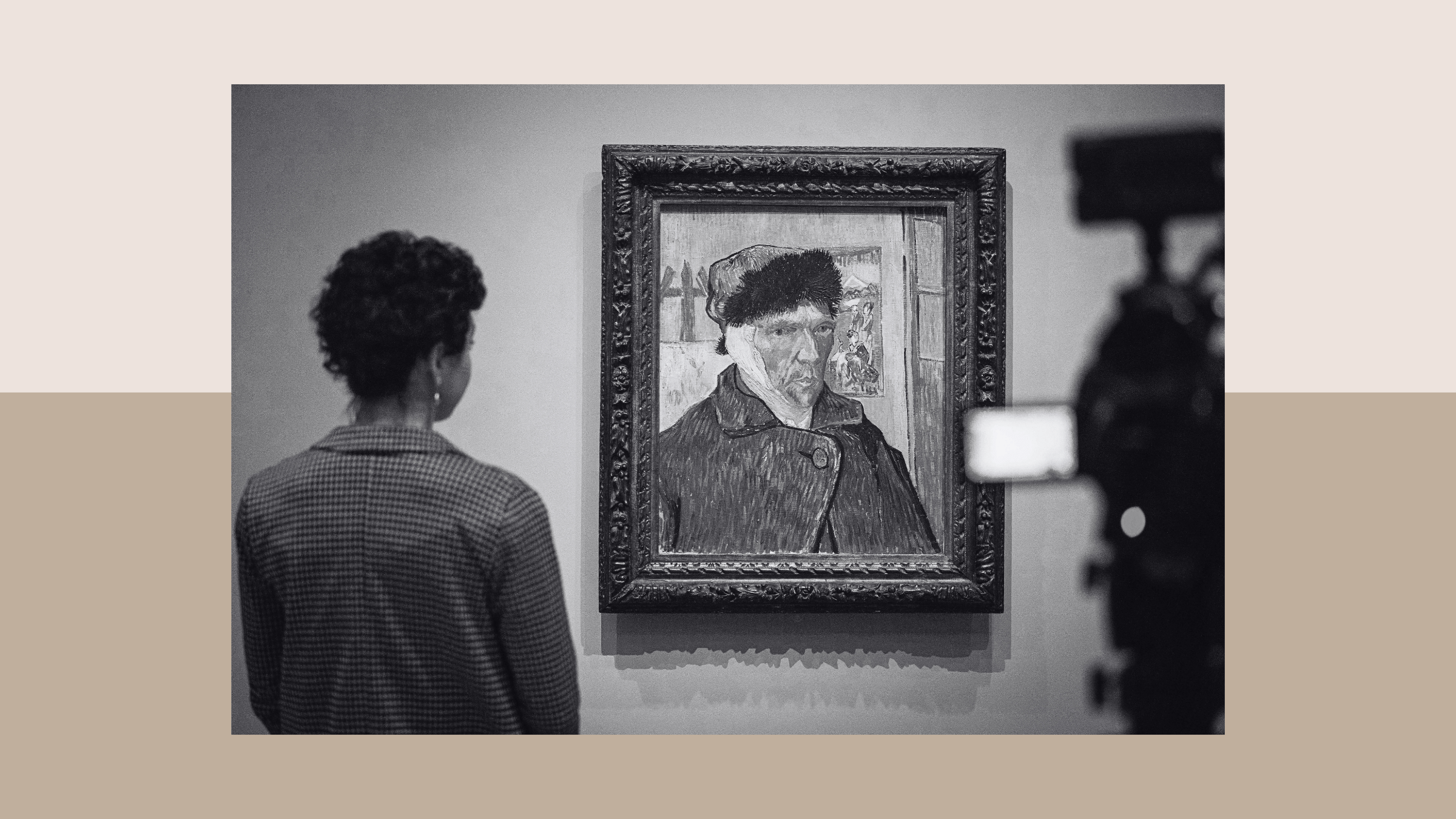
All had been afflicted with Alzheimer’s or dementia—the progressive neurologic disease characterized by memory and functional loss—but with an important difference. The first group chose to make a public announcement of their diagnosis during their life, and the second chose to keep their dementia diagnosis private, their condition revealed by their survivors only after their death. Maintaining the confidentiality of one’s health information is a fundamental right, but when a public figure receives a life-limiting diagnosis, does disclosure matter? Some choose to do so as a form of farewell to their supporters and fans, others to raise public awareness of the illness that has afflicted them. When the actor Michael J. Fox announced almost three decades ago that he had been diagnosed with early-stage Parkinson’s disease, a bright spotlight was shone on the then relatively unknown neurologic disease. His namesake foundation has since raised over $3 billion for Parkinson’s disease research, his testimony to the U.S. Congress helped boost federal funding for neurologic and stem cell research, and his patient advocacy empowered persons with Parkinson’s to come forward, share their experi...
Related

12 Symptoms ENT Doctors Say Never to Ignore
1 day ago
11

Billionaires Are the Symptom, Not the Disease
1 day ago
11


Why Data Centers Have Become Military Targets
2 days ago
12
Popular

You Say “AI,” I Hear “Organoid”
2 weeks ago
196

Democrats in Key Senate Races Embrace 'Capitalist' Label
1 week ago
187
Executives of the Year: Dennis Hancock
3 weeks ago
179
Thinking of Healthcare Reform as a Movement
2 weeks ago
169

The Truth About ‘Addictive Personalities’
2 weeks ago
86


![Vegan Gluten-Free Pumpkin Spice Cupcakes [no added sugar]](https://i0.wp.com/healthyhelperkaila.com/wp-content/uploads/2016/09/Vegan-Gluten-Free-Pumpkin-Spice-Cupcakes7.png?fit=800%2C800&ssl=1)
Vegan Gluten-Free Pumpkin Spice Cupcakes [no added sugar]
4 weeks ago
67

 English (US) ·
 © Clint's Healthy Living 2026. All rights are reserved
