
If you’ve been diagnosed with non-small cell lung cancer (NSCLC), one of the first conversations to have with your clinician should be about testing your tumor tissue for cancer biomarkers. Biomarkers can be gene changes or high levels of proteins that are known to cause cancer. They can give your clinician important information about your cancer, including how it might respond to treatment.“According to National Comprehensive Cancer Network guidelines, everyone with a stage 2 or higher lung cancer should undergo molecular testing,” said David Tom Cooke, M.D., chief of general thoracic surgery at UC Davis Health. “There are FDA-approved regimens that tackle the major genetic mutations involved in lung cancer and have been shown to improve disease-free survival.”Cooke noted that not all people with lung cancer receive initial biomarker testing as soon as they’re diagnosed, despite the guidelines being clear. “Don’t be afraid to ask your doctor for testing before any treatment begins,” he said. “Just politely say, ‘I would like to have my tumor undergo biomarker testing or next-generation sequencing.’” Biomarker testing requires only small sample Lung cancer is diagnosed with a bronc...
Related
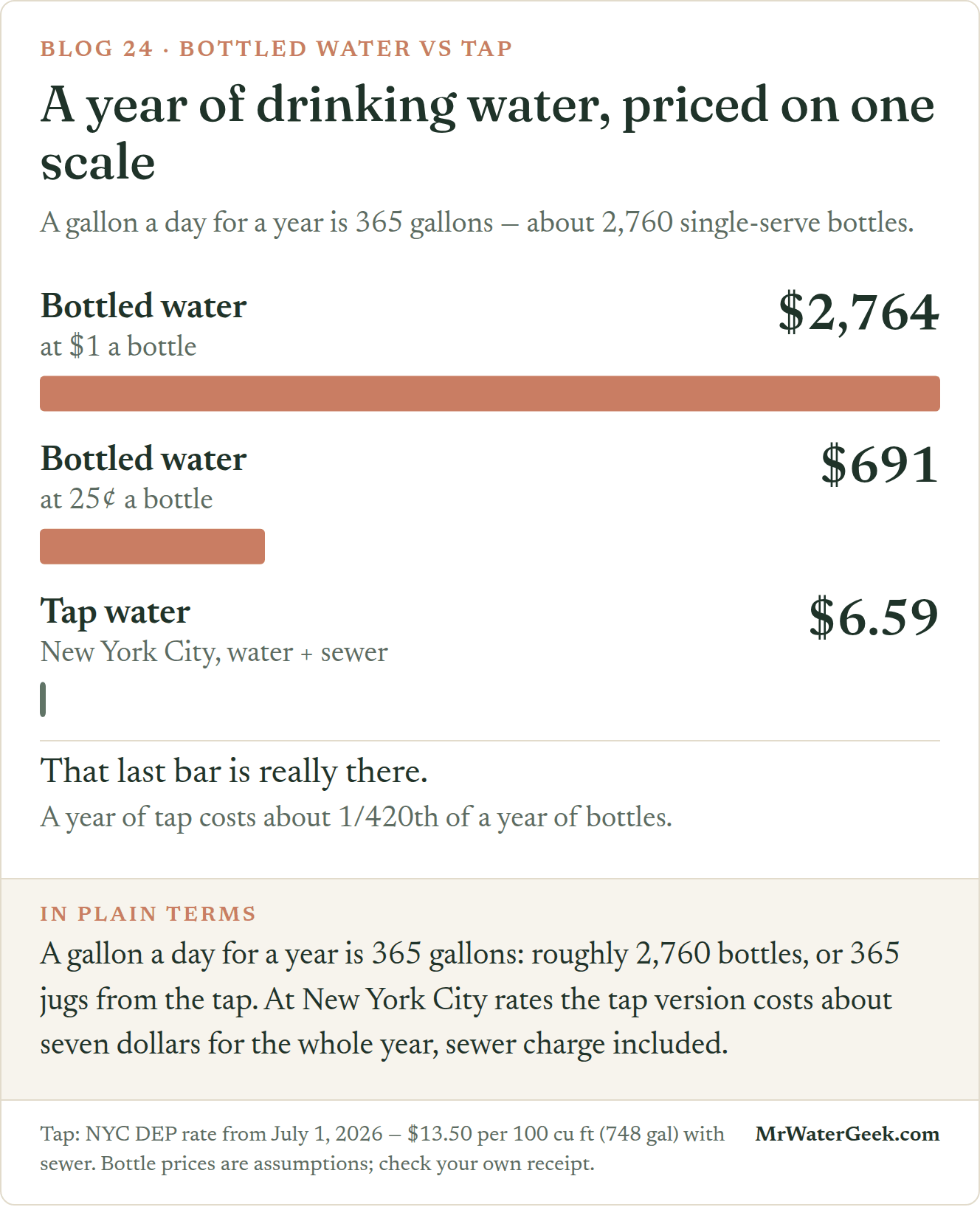
Read This Before You Switch to Bottled Water
11 hours ago
7
Sepsis 101
12 hours ago
5

Philanthropy Must Build the Architecture of Hope
15 hours ago
5


Listen to the Latest ‘KFF Health News Minute’
16 hours ago
5

My Severe Asthma Made Me Afraid to Live
1 day ago
6

Popular

The Price of Privacy When It Comes to Dementia
2 weeks ago
71

![Vegan Chocolate S’mores Muffins [gluten-free + sugar-free]](https://i0.wp.com/healthyhelperkaila.com/wp-content/uploads/2017/01/SmoresMuffins5.png?fit=800%2C800&ssl=1)
Vegan Chocolate S’mores Muffins [gluten-free + sugar-free]
3 weeks ago
63


Dolly Parton Loved Us All, Darlin'
4 weeks ago
61


Vegan Pecan Pie Stuffed Dates
3 weeks ago
56
Why Older Pedestrians Fare Worse in Car Crashes
3 weeks ago
56

10 Heartwarming Mental Health Tips for Dads
4 weeks ago
54
 English (US) ·
 © Clint's Healthy Living 2026. All rights are reserved
