
The Ayurvedic treatment for varicose veins helps strengthen vein walls and improve circulation in the legs, while also treating the Vata imbalance causing swelling. Ayurvedic treatment methods include Jalaukavacharana, Lepanams and massage with herbs and pastes; most patients receive relief from their symptoms within a few weeks.
1. Jalaukavacharana(Leech Therapy): Helps eliminate congested blood and reduce venous pressure.
2. Herbal oil massage (Abhyanga): Helps in improving circulation and also reduces the heavy feeling in tired legs.
3. Herbal paste application (Lepanam): Reduces swelling and skin irritation around the vein.
4. Medicated enema (Vasti): Helps from the internal side in balancing the Vata responsible for the condition.
Herbal remedies such as Guggulu, Manjistha, and Punarnava help to strengthen vein walls.
Standing All Day, Then Noticing a Vein That Wasn’t There Before
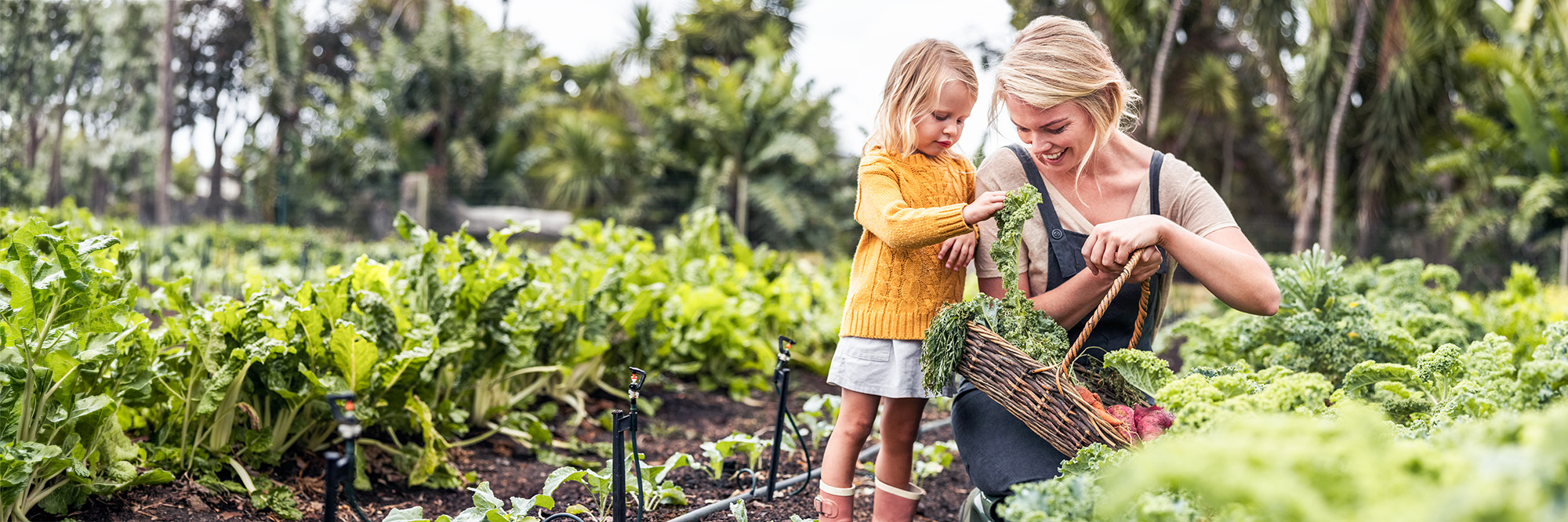
You have been on your feet since early morning, jumping from one meeting to another, or chasing your kids around your house. Towards the end of the day, your legs feel so heavy that it feels as though you’re carrying bricks up a hill. You look down, and there it is: a blue, twisted vein under your skin, just beside your calves. It was not there last year. Now it aches at the end of the day, and you catch yourself massaging your legs before going to bed to make yourself feel normal again.
This is when you begin your midnight search on Google. Does it require surgery? Would it get worse if I ignored it? Ayurveda has been dealing with this particular situation for ages, treating varicose veins as a circulation problem and as a dosha imbalance. This article takes you through what really works and where you can find a genuine Ayurvedic treatment for varicose veins.
Why Do Varicose Veins Happen?
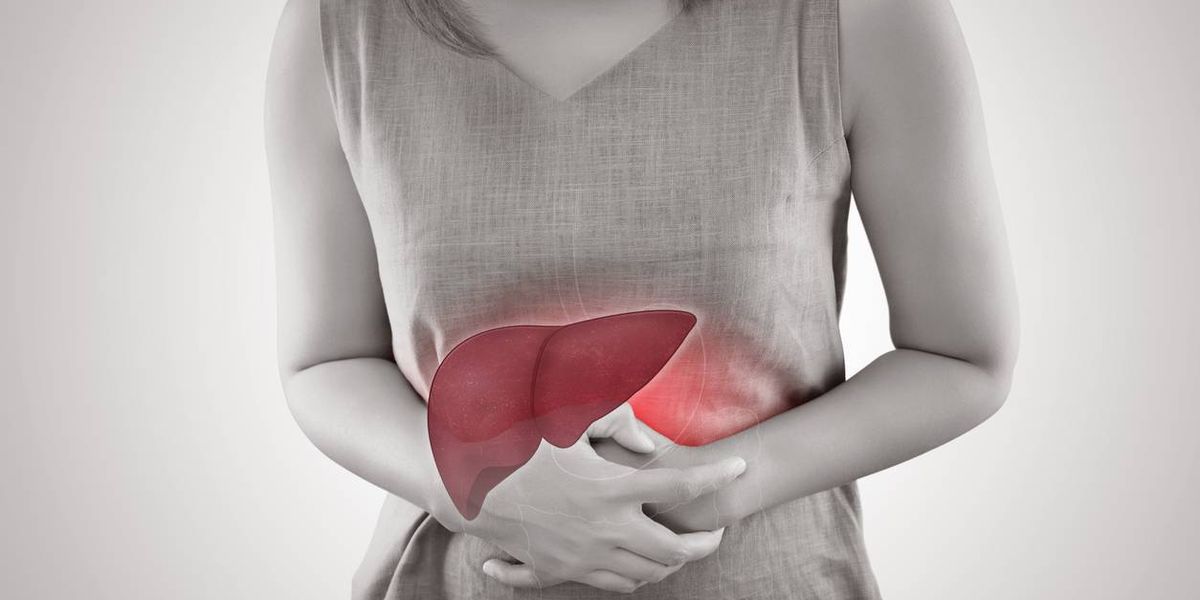
The condition of varicose veins occurs due to the weakness of small valves within leg veins, causing the valves not to close effectively. The blood intended to flow upwards into the heart pools backwards, resulting in a swollen and twisted vein.
1. Sitting or standing for prolonged periods results in an increase in blood pressure within the lower limbs.
2. The hormonal changes that come along with pregnancy cause loosening of vein walls and increase blood volume.
3. Heredity is quite a strong risk factor, as the condition is usually determined by genes.
4. Venous valve deterioration is common in old age, hence increasing the risk of having varicose veins as one grows older.
5. Extra body mass applies continuous pressure on leg veins and foot veins.
How Does Ayurveda Explain Varicose Veins?
In Ayurveda, this type of problem is called Sira Granthi. Here, the meaning of “Sira” is blood vessels and “Granthi” means knot or swelling. This type of condition happens due to a disturbance of Vata dosha, which has impurities in the blood in the lower part of the body.
When there is a disturbance of Vata dosha, there will be no proper circulation of blood within the veins, and the blood vessels become twisted, stretched, and lose their elasticity, which you can see. Ayurvedic treatment for varicose veins focuses on Vata dosha and on cleansing impurities from the blood that cause swelling and discolouration.
What Are the Most Effective Ayurvedic Treatments for Varicose Veins?
Ayurvedic therapy for varicose veins primarily comprises external procedures and internal medications, with the proportion varying according to the disease’s severity. The following is what Ayurveda suggests.
1. Jalaukavacharana (Leech therapy): In Ayurveda, Jalaukavacharana (medicinal leech therapy) may be recommended in selected patients to help relieve local venous congestion under physician supervision.
2. Siravyadha (Venesection): Using a very thin needle, an Ayurvedic practitioner punctures the vein in order to let out the vitiated blood from it, which immediately relieves the sufferer from the pain along with its redness.
3. Abhyanga (Oil Massage): Herbal oils such as Sahacharadi thailam are rubbed into the legs to increase blood flow and relieve heaviness.
4. Lepanam (Herbal Paste): Application of warm herbal paste directly to the swollen vein helps reduce inflammation and alleviates pain quite effectively.
5. Upanaha Swedam: A thick medicinal paste is applied and left on the skin for long hours, sometimes overnight, to treat stiffness and persistent pain in recalcitrant conditions.
6. Vasti (Medicated Enema): Herbs in the form of oil or decoction are administered rectally to correct Vata disorder from within, which no external application can.
Which Ayurvedic Herbs Work Best for Varicose Veins?
Herbal medications play the subtle role of internal remedies for the Ayurvedic treatment of varicose veins. This is a slow process, but one that restores vein strength and reduces inflammation from within.
1. Guggulu cleanses blood flow obstruction and reduces swelling in the area of the vein.
2. Manjistha reduces inflammation and the burning sensation which people feel in their veins.
3. Punarnava reduces water retention, which relieves some of the heaviness in the legs.
4. Gotu Kola strengthens capillary walls and aids skin healing.
5. Ashwagandha helps manage stress, which can contribute to internal circulation issues.
Research published in the Journal of Vascular Surgery found that structured exercise improved calf muscle strength and calf-pump function in people with chronic venous insufficiency. Regular walking and gentle calf exercises may therefore support blood flow from the legs.
What Diet and Lifestyle Changes Can Help Manage Varicose Veins?
Ayurveda-based treatment for varicose veins is rarely successful without additional effort on your part. Your diet and movements throughout the day will only accelerate the process or, conversely, gradually undo any positive effect the treatment may have produced.
1. Fibre-containing foods like whole grains, vegetables, lentils, and so on reduce pressure on the veins.
2. Antioxidants and vitamin C from fruits, vegetables, and berries increase the resilience of the veins’ walls.
3. Reducing consumption of salt and processed products is important, as the sodium causes fluid retention.
4. Extended periods spent either standing or sitting do more harm than people think, so try to avoid both.
5. Walking and stretching exercises keep the blood moving in the right direction.
6. Keeping leg elevated at night sleep or while sitting helps.
This review from Sage Journals evaluated 65 studies and discusses pain, swelling, heaviness and tingling, along with age, occupation, pregnancy, family history, body weight and lifestyle as contributing factors.
varicose vein treatment in Ayurveda Safe?
Yes, it is definitely safe if performed by an experienced professional who will consider your dosha type, medical history, and the disease’s stage of development. Most patients report reduced discomfort and pain after two to four weeks, even though changes in the vein itself take longer.
The fact is that no one can promise instant disappearance of varicose veins, and if someone promises it, you need to consult another professional. The benefits that Ayurveda can offer include pain relief and prevention of disease progression.
Where Can You Get Trusted Ayurvedic Treatment for Varicose Veins Near Bengaluru?
Located 25 minutes from Bangalore International Airport, Shathayu Retreat has provided Ayurvedic and naturopathic treatments since 1901. This is an NABH-accredited Ayurveda clinic that designs all treatment plans based on a health assessment rather than offering standard packages.
The Shathayu Retreat Ayurveda has a team of Ayurvedic physicians, some of whom specialize in managing pain and chronic lifestyle disorders, who customise your Ayurvedic treatment for varicose veins based on your dosha, symptoms, and lifestyle. Abhyanga and Vasti therapies will be combined with a satvik diet, devised by your physician, and yoga recommendations to provide you with a multi-level approach to improving circulation.
Your condition should not dictate how you dress, walk, or spend your evenings. Ayurvedic remedies for varicose veins can help you cope with the pain and inflammation that accompany your condition, while also addressing the cause.
Speak with the Ayurvedic doctors at Shathayu Retreat to understand the stage of your condition and receive a personalised treatment plan.
Contact Shathayu Retreat today and take the first step towards lighter, more comfortable legs.
K
L
Can Ayurveda cure varicose veins permanently?
Not completely. Ayurveda cannot repair damaged vein valves or reverse the condition entirely. What it does well is relieve pain, heaviness and swelling, slow the progression, and help many patients manage the condition comfortably without surgery.
K
L
How long does Ayurvedic treatment for varicose veins take to show results?
Many patients report relief from pain and heaviness within a few weeks of starting treatment, though this varies from person to person. Visible changes in the vein itself take longer. A full course usually runs several weeks, with follow-up sessions every few months depending on the severity of the condition.
K
L
Can I use Ayurvedic treatment and compression stockings at the same time?
Yes. Ayurvedic therapies can usually be combined safely with compression stockings and other conventional treatments. Always tell both your Ayurvedic physician and your doctor about everything you are using, so your care stays coordinated — especially if you take blood-thinning medication.
K
L
Is leech therapy for varicose veins painful?
Most people feel only a mild pinching sensation when the leech attaches. The procedure is carried out by trained practitioners using sterile medicinal leeches, so it is generally well tolerated. If you take blood thinners or have a bleeding disorder, tell your physician beforehand, as leech therapy may not be suitable for you.
K
L
What foods help with varicose veins in Ayurveda?
Focus on fibre-rich whole grains, vegetables and lentils, along with vitamin C–rich foods such as citrus fruits and berries to support vein-wall strength. Reduce salt and processed foods, which encourage fluid retention. Staying hydrated and avoiding long stretches of sitting or standing helps too.
K
L
When should I see a doctor instead of trying home remedies first?
See a doctor promptly if you notice significant swelling in one leg, skin discolouration around a vein, a sore or open wound near the vein, or sudden severe pain in one leg. These can signal complications that need medical assessment before any home or Ayurvedic care.
K
L
How much does Ayurvedic treatment for varicose veins cost?
The cost depends on the therapies involved, the number of sessions, and whether you visit as an outpatient or stay at the retreat. You will receive an estimate after an initial consultation and assessment.
K
L
How is Ayurvedic treatment different from laser treatment for varicose veins?
Laser treatment closes the damaged vein directly and produces quick, visible results. Ayurvedic treatment works more gradually it aims to improve overall circulation and correct the underlying dosha imbalance, which may help reduce the likelihood of new veins forming. Many patients choose Ayurveda for symptom relief and long-term management rather than immediate cosmetic change.
K
L
Can Ayurveda help with spider veins too?
Yes. Many of the same approaches herbal oil massage, herbal pastes and internal medicines are also used for spider veins, usually in a gentler form because spider veins are smaller and closer to the skin's surface. Your physician will tailor the approach to your specific case.
K
L
Who should avoid Ayurvedic treatment for varicose veins?
Anyone with an active infection, an uncontrolled bleeding disorder, or a skin condition near the affected vein should consult a doctor before starting therapy. Pregnant women and anyone taking blood thinners should also get medical clearance first.
![Vegan Gluten-Free German Chocolate Cake [oil-free + no added sugar]](https://i0.wp.com/healthyhelperkaila.com/wp-content/uploads/2026/08/VeganGermanChocolateCake9.png?fit=799%2C808&ssl=1)
![Dark Chocolate Superfood Bedtime Bark [vegan + gluten-free]](https://i0.wp.com/healthyhelperkaila.com/wp-content/uploads/2026/08/Dark-Chocolate-Superfood-Bedtime-Bark-vegan-gluten-free1.png?fit=800%2C800&ssl=1)
![Healthy Chocolate Orange Protein Loaf [gluten-free + no added sugar]](https://i0.wp.com/healthyhelperkaila.com/wp-content/uploads/2026/08/ChocolateOrangeBread8.png?fit=800%2C800&ssl=1)
![2-Ingredient High-Fiber Donut Holes [low-cal + sugar-free]](https://i0.wp.com/healthyhelperkaila.com/wp-content/uploads/2026/07/2-Ingredient-High-Fiber-Donut-Holes4.png?fit=800%2C800&ssl=1)
![Easy Vegan Creamy Potato Soup [oil-free + nut-free]](https://i0.wp.com/healthyhelperkaila.com/wp-content/uploads/2026/08/PotatoSoup.png?fit=800%2C800&ssl=1)
![Lemon Olive Oil Cake [vegan + gluten-free]](https://i0.wp.com/healthyhelperkaila.com/wp-content/uploads/2025/12/Lemon-Olive-Oil-Cake6-copy.png?fit=800%2C800&ssl=1)

![Flourless Caramel-Stuffed Chocolate Brownies [gluten-free + dairy-free]](https://i0.wp.com/healthyhelperkaila.com/wp-content/uploads/2021/07/Flourless-Caramel-Stuffed-Chocolate-Brownies3.png?fit=800%2C800&ssl=1)
![Healthy No-Bake Sunflower Butter Bars [vegan + gluten-free]](https://i0.wp.com/healthyhelperkaila.com/wp-content/uploads/2026/08/Healthy-No-Bake-Sunflower-Butter-Bars6.png?fit=797%2C800&ssl=1)
![No-Bake Vegan Chocolate Banana Nut Donut Holes [high-protein + gluten-free]](https://i0.wp.com/healthyhelperkaila.com/wp-content/uploads/2026/07/No-Bake-Vegan-Chocolate-Banana-Nut-Donut-Holes16.png?fit=800%2C800&ssl=1)
![VIRAL Confetti Cake Marshmallow Bars [high-protein + sugar-free]](https://i0.wp.com/healthyhelperkaila.com/wp-content/uploads/2026/07/VIRAL-Confetti-Cake-Marshmallow-Bars1-copy.png?fit=800%2C800&ssl=1)

 English (US) ·