
Hives are red, itchy raised welts or patches on the skin. The medical term for hives is urticaria. What is chronic spontaneous urticaria? Chronic = Lasts for longer than 6 weeks Spontaneous = Happens on its own, without an obvious trigger Urticaria = Hives Why do hives happen? Cells in your body store histamine, a chemical released by the immune system when it recognizes a threat. Histamine affects blood vessels Histamine released by your body opens up your blood vessels to allow for more blood flow. This can lead to skin symptoms like: Swelling Redness Itchiness What triggers hives? Some common triggers of hives are: Allergies Bacterial infections, including UTIs and strep Viral infections, including colds and mono Certain medicines, including antibiotics and ibuprofen Extreme hot or cold temperatures But with CSU, there are no identifiable triggers and the cause is usually unknown. CSU and inflammation CSU is often linked to type 2 inflammation , which is damaging inflammation caused by an overactive immune system that goes on the attack when there’s nothing to fight. What to do about CSU It can be tricky to figure out what exactly triggers CSU, making it hard to handle. If your ...
Related

You Don’t Need 10,000 Steps to Help Your Heart
11 hours ago
6
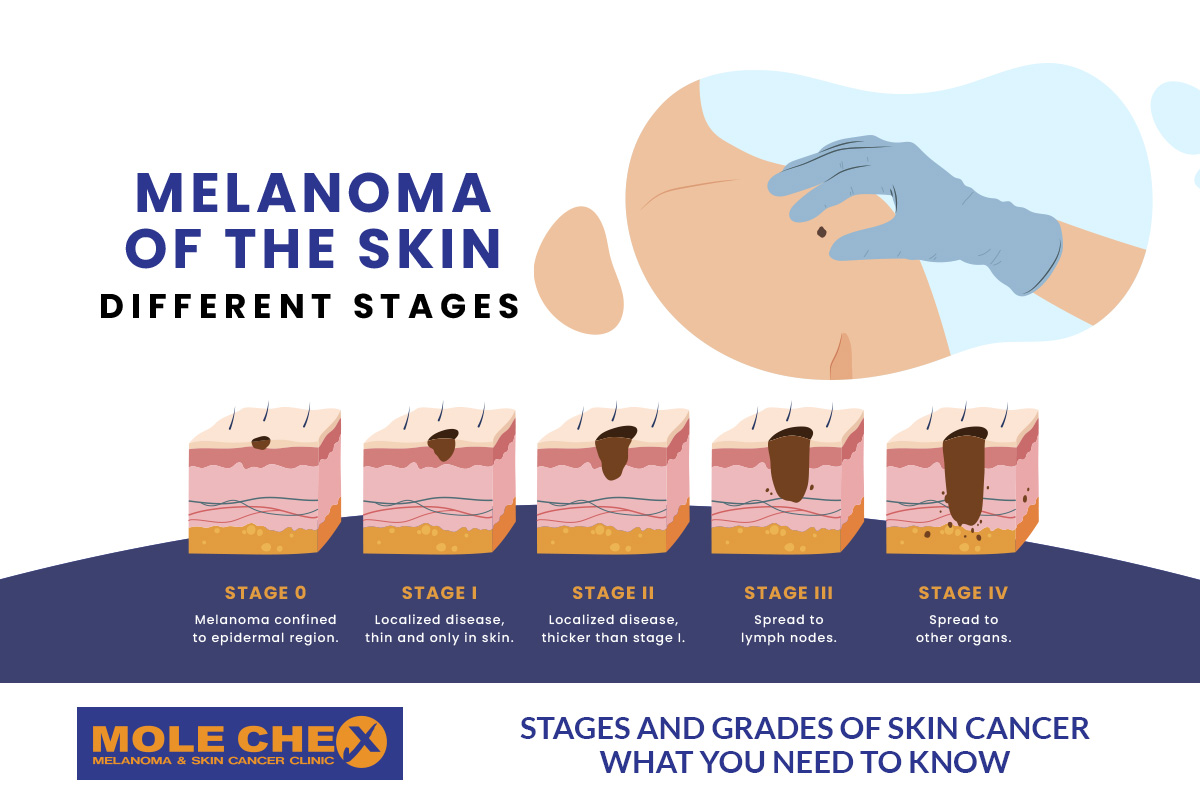
Skin Cancer Stages Explained: From Stage 0 to Stage 4
17 hours ago
7
What Happens During a Skin Biopsy? Step-by-Step Guide
17 hours ago
7


The Most Important Thing AI Can’t Do in Medicine
1 day ago
7

Popular

Elemental Magnesium: What It Means and How to Read Labels
4 weeks ago
118



Why Brain Health Matters
3 weeks ago
65




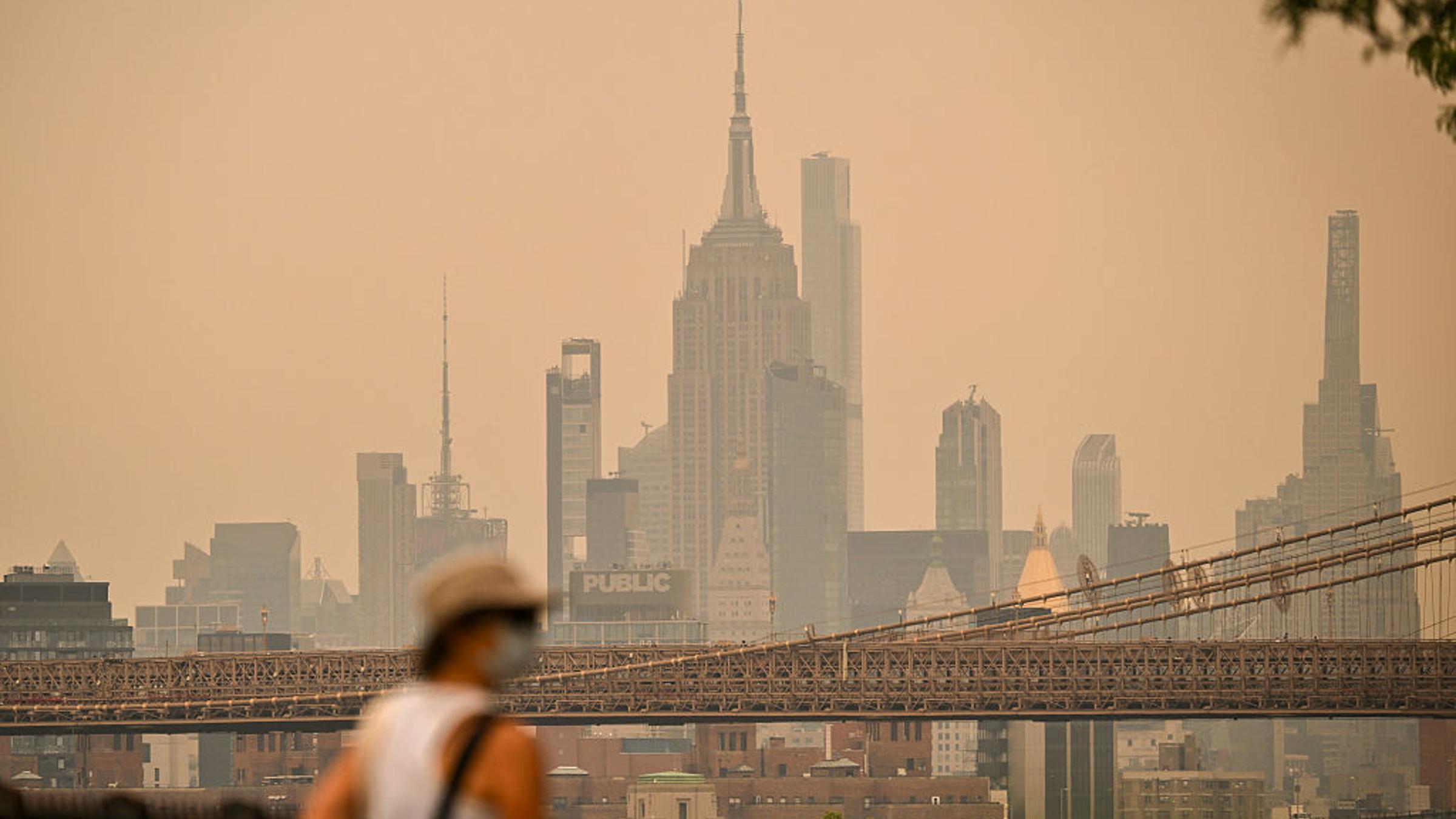
How Long Will This Wildfire Smoke Last?
4 weeks ago
60

 English (US) ·
 © Clint's Healthy Living 2026. All rights are reserved
