
One of the first landmark studies that recognized this fact was conducted more than 70 years ago. In the 1950s, epidemiologist Jeremy Morris studied more than 30,000 employees of the London transportation system. He observed that bus drivers who sat all day behind the wheel had a higher risk of developing coronary heart disease than conductors who walked up and down the aisles and stairs collecting fares. This natural experiment fundamentally changed how we think about activity for the prevention of heart disease.Since then, the evidence to support physical activity for better cardiovascular health has grown substantially. Regular physical activity lowers the risk of heart disease, stroke, and diabetes, and has been linked to longer lives and healthier aging. These data are strong enough that the American Heart Association names physical activity one of the eight key things you can do for better cardiovascular health. That group, and the federal physical activity guidelines, both recommend at least 150 minutes each week of moderate intensity exercise, along with at least two days per week of muscle-strengthening activities. Despite the accumulation of decades of evidence, physical ...
Related
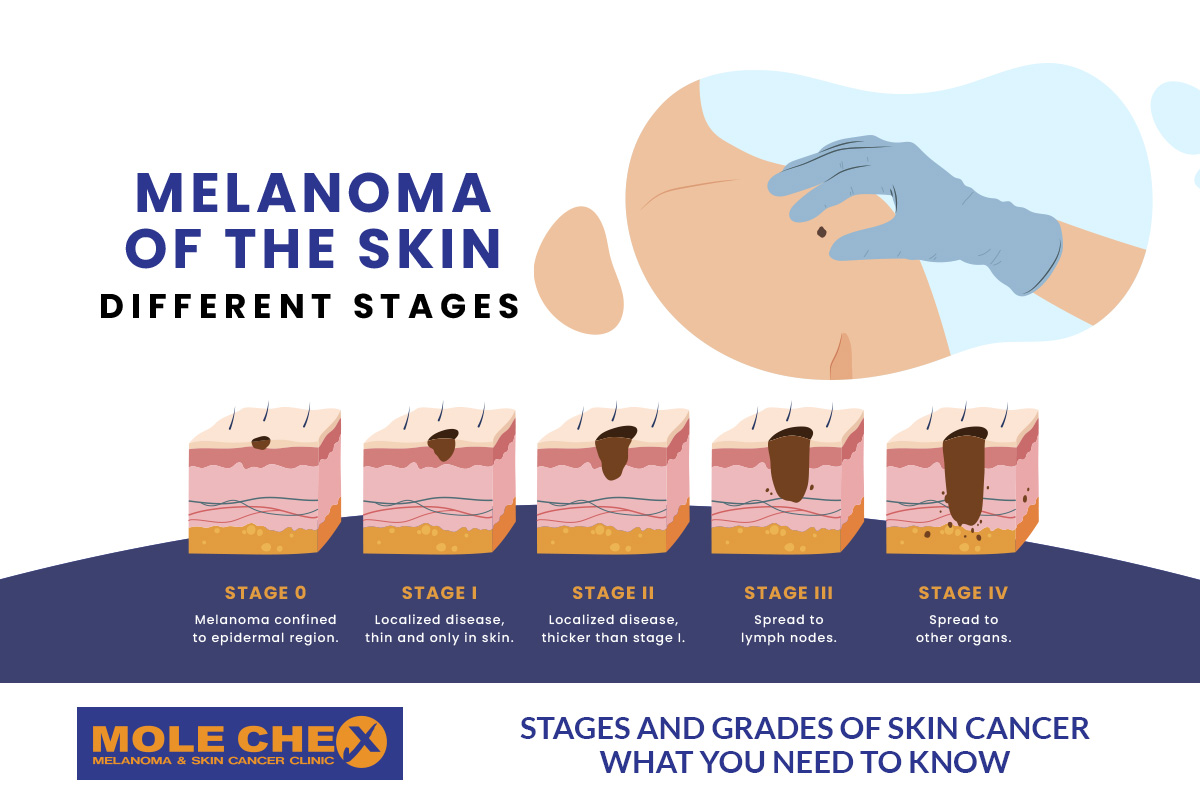
Skin Cancer Stages Explained: From Stage 0 to Stage 4
16 hours ago
4

What Happens During a Skin Biopsy? Step-by-Step Guide
16 hours ago
5



The Most Important Thing AI Can’t Do in Medicine
1 day ago
6



Popular

Elemental Magnesium: What It Means and How to Read Labels
4 weeks ago
118




Why Brain Health Matters
3 weeks ago
64





How Long Will This Wildfire Smoke Last?
4 weeks ago
60
 English (US) ·
 © Clint's Healthy Living 2026. All rights are reserved
