
When Claudia Perez-Favela, a mother of three in California, experienced irregular periods and heavy bleeding, she was concerned that these could be symptoms of cancer.
She knew there was a history of reproductive cancer in her family, but she couldn't see the doctor right away because she was uninsured. After she got health insurance, she tried to set up an appointment with a gynecologist, but there were a limited number of providers in her town, and she had to wait several more months to be seen.
After she finally saw a healthcare provider and had several tests done, Perez-Favela said she was diagnosed with cervical dysplasia (a precancerous condition where abnormal cells develop on the cervix) from an aggressive strain of human papillomavirus (HPV). Because of her family history and the dysplasia diagnosis, Perez-Favela had a hysterectomy.
Perez-Favela said accessing medical care is challenging in rural areas. “Preventative screenings are very important. But in small towns there are not a lot of doctors and specialists — and the wait times for getting an appointment can be several months. If there had been any further delays in seeing the doctor, my condition could have developed into something much worse.”
Perez-Favela is not alone.
Healthcare deserts present challenges for preventive care
Healthcare deserts — geographical areas where there is limited access to medical care — impact millions of Americans. Limited medical facilities, financial hardship and a lack of health insurance and transportation to medical appointments compound the problem.
Cancer prevention screenings can also be a significant challenge in rural areas. The Centers for Disease Control and Prevention reports that nearly 93% of cervical cancers are preventable with Pap and HPV tests and HPV vaccinations. But for rural patients with limited access to screenings, there can be serious ramifications — including higher death rates from preventable cancers.
“Providing care in rural communities comes with unique challenges. Many patients live significant distances from clinics or hospitals, meaning preventive care (Pap tests and HPV testing) is often delayed or skipped altogether. Transportation barriers, limited appointment availability and fewer providers in these regions make it difficult for patients to get timely screenings,” said Michael Schifano, D.O., a board-certified OB-GYN at Heartland Women’s Healthcare of Advantia, in Illinois.
Hospital closures and Medicaid exclusions impact rural communities
iStock.com/Wackerhausen
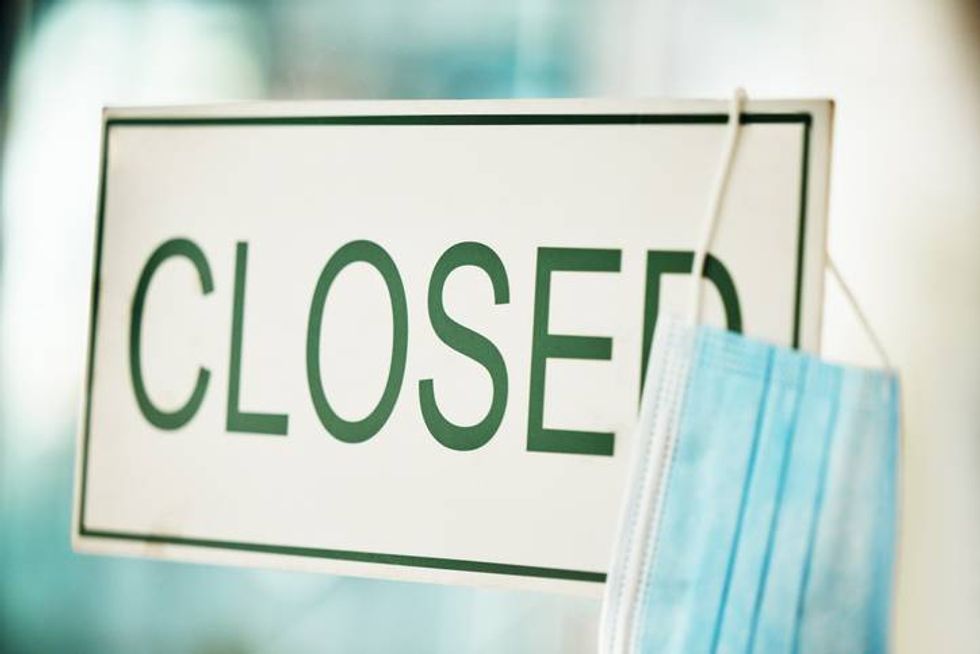
Experts report that several factors within the last decade — hospital closures, budget cuts, lack of specialists and post-pandemic staffing shortages — have made things much worse in rural areas.
Obstetric and gynecological care has been particularly impacted — 267 rural hospitals stopped providing obstetric care between 2011 and 2021 — and nearly 100 rural hospitals reduced services or shut down, impacting over 16 million people, in the past decade.
“The shortage of OB-GYNs limits both screening and prevention. Without enough providers, patients not only miss routine Pap and HPV tests but also opportunities to receive HPV vaccination, which is a proven way to prevent cervical cancer before it starts,” Schifano said.
Marginalized communities experience healthcare disparities at higher rates
Researchers at the University of Chicago found that hospital closures disproportionately impact Black communities. Rural Black women are also at increased risk for cervical cancer. Research shows that Black women in the Mississippi Delta face significant barriers in accessing cervical cancer screenings and are at higher risk of dying from this disease.
Some states have also made it more challenging for marginalized communities to get health insurance. Under the Affordable Care Act, states were allowed to expand Medicaid coverage to adults with incomes up to 138% of the federal poverty level. Ten states (Alabama, Florida, Georgia, Kansas, Mississippi, South Carolina, Tennessee, Texas, Wisconsin and Wyoming) refused the expansion, leaving around 1.6 million people — mostly Black and Latinx Americans — without access to insurance.
Clinics that operate in small towns are also losing funding. In 2018, Republican South Carolina governor, Henry McMaster, issued an executive order barring Planned Parenthood from the state’s Medicaid provider list. Planned Parenthood — who reports that 76% of its clinics are located in underserved areas — filed a lawsuit challenging the order.
While some Planned Parenthood clinics provide early terminations (abortion is banned in South Carolina at six weeks), abortions were never covered by Medicaid. Planned Parenthood does provide numerous other medical services, including cancer prevention screenings (Pap tests, breast exams), but the state blocked funding to Planned Parenthood for all medical services.
On June 26, 2025, the Supreme Court ruled 6-3 to uphold South Carolina’s order to exclude Planned Parenthood from Medicaid. Experts report this ruling could have far reaching consequences for clinics across the country.
“Removing funding for clinics that provide preventive screenings is dangerous,” said Heather Bartos, M.D., a board certified OB-GYN in Texas and a member of HealthyWomen’s Women’s Health Advisory Council.
Imminent federal budget cuts will significantly impact access to care
H.R.1 — the federal spending bill signed into law by President Trump on July 4, 2025 — cuts billions in Medicaid funding and critical health programs. Medical centers, hospitals and mobile clinics that serve rural communities could be hit the hardest.
“The federal budget cuts under H.R.1 will make things exponentially worse for rural patients. These areas already struggle and now with billions being cut, it raises serious concerns,” Bartos warned.
Telemedicine can be an important tool to increase access, but a lack of funding for telehealth programs and limited high speed internet in some rural areas prevents patients from participating in virtual appointments.
Bartos said providers should offer telehealth appointments whenever possible. “Some medical appointments need to be in-person, but oftentimes follow-up appointments can be virtual. If the only way a patient can be seen is virtually — and the alternative is that they won’t be seen at all — then a telehealth visit should be done.”
After cancer treatment ends, rural patients experience challenges with follow-up care
Emily Hoffman, a cervical cancer survivor in Iowa, said that after her cancer treatment ended, access to quality care became an even bigger problem.
Hoffman lives in a small town and already had to travel about 45 minutes each way to her cancer treatment appointments. But after her treatment ended and Hoffman was cancer-free, she felt sicker than she did during treatment.
Hoffman developed severe pain in her intestines and was diagnosed with radiation enteritis, inflammation of the intestine as a result of radiation. She was referred to a local gastroenterologist, but the providers in her community did not have experience treating her condition.
“Cancer doesn’t end when treatment ends. I spent four years being tossed around to different gastrointestinal doctors. I went from doctor to doctor trying to get help and spent a lot of my thirties sick in bed,” Hoffman said.
After four years, she was finally referred to the Mayo clinic. At Mayo, Hoffman tried different things to treat her condition and eventually began IV feeding, and her symptoms improved significantly. Hoffman adds that she is doing better and now works as a patient advocate, but the limitations she experienced in getting the care she needed had a huge impact on the quality of her life.
As for Perez-Favela, she has been advocating for cancer patients, especially in rural communities. “I continue to fight for people to have access to better healthcare and speak out against budget cuts that will harm patients. Cancer does not discriminate — it can impact anyone,” she said.
This educational resource was created with support from Merck.






![Grain-Free Red Velvet Cake Bars [sugar-free + high protein]](https://i0.wp.com/healthyhelperkaila.com/wp-content/uploads/2025/03/RedVelvetBars1.png?fit=800%2C803&ssl=1)



 English (US) ·