
Ask someone who investigates foodborne illness for a living what they won't put on their plate, and the list is shorter—and stranger—than you'd expect.It's not that these experts live in fear. Most will tell you that all food carries some risk, and the real skill is deciding which risks are worth taking. Frank Yiannas, the U.S. Food and Drug Administration’s former deputy commissioner for food policy and response, says he doesn't think of foods as simply "good" or "bad." Instead, "I approach everything with what I would say is a quantitative risk assessment," he says. "I'm calculated."Still, after decades of investigating outbreaks—and, in some cases, having their own lives forever changed by foodborne illness—these experts have each decided a handful of foods simply aren't worth the gamble. Some of their no-go items are predictable; others might be sitting in your fridge right now. Here’s what came up again and again.Raw milk and raw-milk cheeseThere's almost no debate about this one. "It's ridiculous," says Bill Marler, a food-safety lawyer who has spent decades suing companies over outbreaks. He says he has represented families of children who have died or suffered kidney damage...
Related

You Don’t Need 10,000 Steps to Help Your Heart
12 hours ago
6
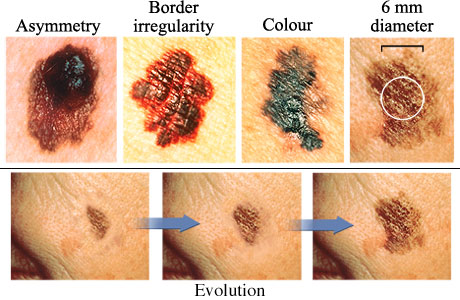
Skin Cancer Stages Explained: From Stage 0 to Stage 4
18 hours ago
7
What Happens During a Skin Biopsy? Step-by-Step Guide
18 hours ago
7

The Most Important Thing AI Can’t Do in Medicine
1 day ago
7

Popular
Elemental Magnesium: What It Means and How to Read Labels
4 weeks ago
118



Why Brain Health Matters
3 weeks ago
65




How Long Will This Wildfire Smoke Last?
4 weeks ago
60

 English (US) ·
 © Clint's Healthy Living 2026. All rights are reserved
