
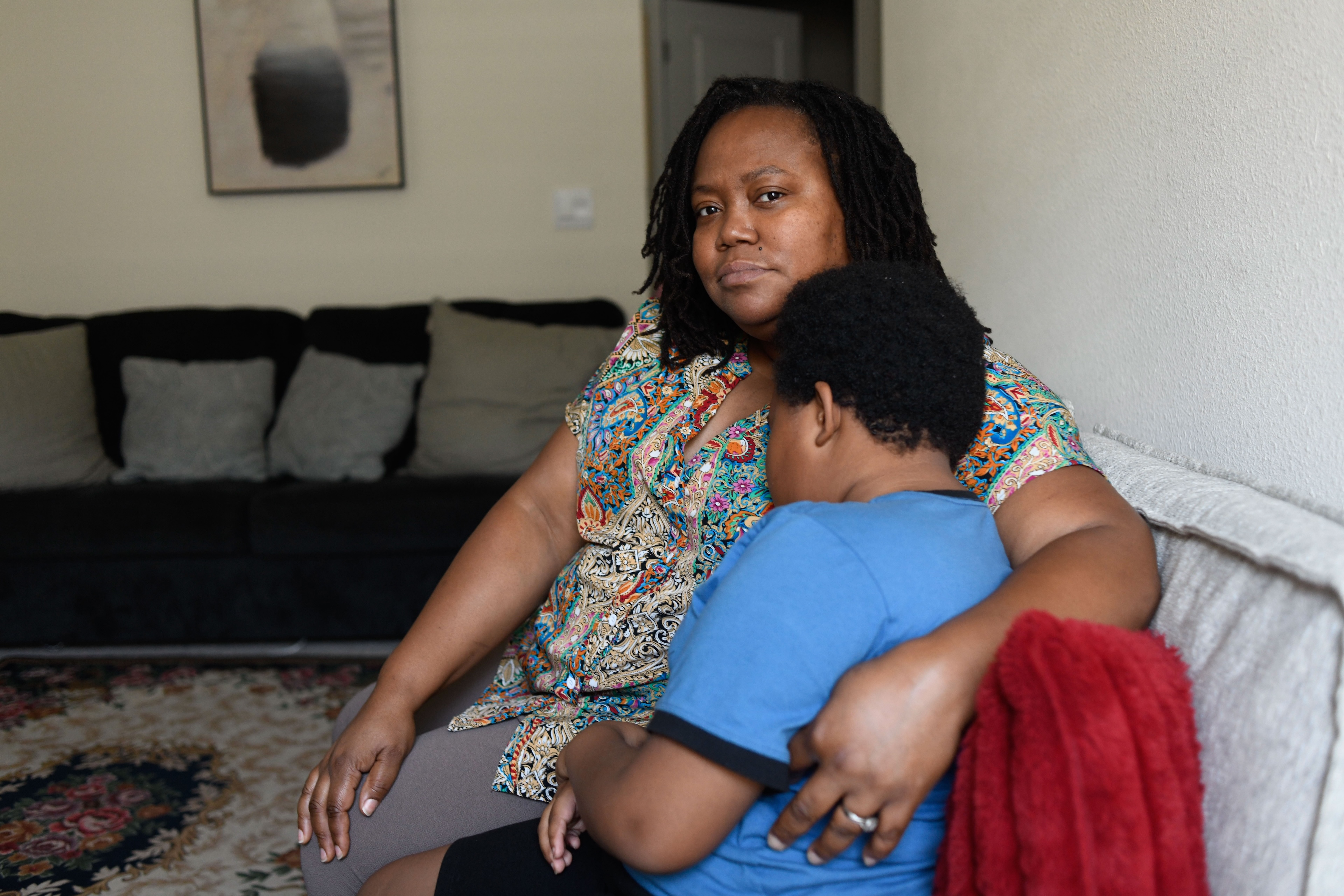
A woman in her late thirties sits in an office and hears, for the first time, that she has ADHD. Her first reaction is relief so sharp it surprises her. Her second, about a minute later, is grief. Because if this has been true her whole life, then the years she spent thinking she was lazy, scattered, and not trying hard enough were built on a bad explanation. That combination shows up a lot. Relief, then anger about the lost time. If you’ve been through it, or you’re wondering whether you’re heading for it, the story below probably sounds familiar. Late diagnosis isn’t the same as late onset The first thing worth clearing up: nobody develops ADHD at 35. ADHD is a neurodevelopmental condition, which means it starts in childhood. The diagnostic criteria actually require evidence of symptoms before age 12. So when an adult gets diagnosed, they’re not catching something new. They’re finally getting a name for something that’s been running in the background since second grade. This is much more common than most people assume. The CDC reported in 2024 that about 15.5 million U.S. adults, roughly 6 percent or one in 16, had a current ADHD diagnosis. About half of them weren’t diagnosed un...
Related

What to Do When Someone Gives You the Silent Treatment
12 hours ago
2
Is Toilet Paper Bad For You? Here’s What Experts Say
17 hours ago
7

India's Best Employers
18 hours ago
4
Popular
![Lemon Olive Oil Cake [vegan + gluten-free]](https://i0.wp.com/healthyhelperkaila.com/wp-content/uploads/2025/12/Lemon-Olive-Oil-Cake6-copy.png?fit=800%2C800&ssl=1)
Lemon Olive Oil Cake [vegan + gluten-free]
3 weeks ago
66

Healthy Low-Cal Chocolate Peanut Butter Ninja Creami
1 month ago
66

![Flourless Caramel-Stuffed Chocolate Brownies [gluten-free + dairy-free]](https://i0.wp.com/healthyhelperkaila.com/wp-content/uploads/2021/07/Flourless-Caramel-Stuffed-Chocolate-Brownies3.png?fit=800%2C800&ssl=1)
![Healthy No-Bake Sunflower Butter Bars [vegan + gluten-free]](https://i0.wp.com/healthyhelperkaila.com/wp-content/uploads/2026/08/Healthy-No-Bake-Sunflower-Butter-Bars6.png?fit=797%2C800&ssl=1)
Healthy No-Bake Sunflower Butter Bars [vegan + gluten-free]
3 weeks ago
50
![No-Bake Vegan Chocolate Banana Nut Donut Holes [high-protein + gluten-free]](https://i0.wp.com/healthyhelperkaila.com/wp-content/uploads/2026/07/No-Bake-Vegan-Chocolate-Banana-Nut-Donut-Holes16.png?fit=800%2C800&ssl=1)

The Rise of Cirrhosis in Women
4 weeks ago
49
![VIRAL Confetti Cake Marshmallow Bars [high-protein + sugar-free]](https://i0.wp.com/healthyhelperkaila.com/wp-content/uploads/2026/07/VIRAL-Confetti-Cake-Marshmallow-Bars1-copy.png?fit=800%2C800&ssl=1)
 English (US) ·
 © Clint's Healthy Living 2026. All rights are reserved
