
The Trevor Project operates a free, 24/7 suicide prevention and crisis intervention hotline for LGBTQ+ youth in the U.S. and Mexico. Studies have repeatedly shown that LGBTQ+ young people are at greater risk of suicide than their peers: a 2024 CDC report found that 72% of transgender students experienced persistent feelings of sadness or hopelessness, almost double the rate of their cisgender peers, and the Trevor Project’s 2025 national survey found that 36% of LGBTQ+ young people ages 13 to 24 seriously considered attempting suicide in the past year. Under Black’s leadership, clinically-trained crisis counselors at the Trevor Project answer hundreds of thousands of hotline calls and messages a year.
In July 2022, the U.S. replaced a 10-digit suicide prevention hotline with the easier-to-remember 988 National Suicide and Crisis Lifeline. Two months later, the Trevor Project also began providing dedicated support to LGBTQ+ callers through 988. A study published in 2026 found that after the creation of the three-digit hotline, the rate of suicides among young people decreased in states with a higher number of answered 988 calls. But in July 2025, the Trump Administration terminated the specific service that allowed callers to “press 3” for specialized LGBTQ+-affirming care. Because the Trevor Project fielded nearly half of those calls, it lost $25 million in annual federal funding and laid off more than 200 employees. (Earlier this month, the administration said it was working to restore specialized suicide prevention services for LGBTQ+ youth through 988 by year’s end.)
In response, knowing what was at stake for queer youth in need of a lifeline, Black launched an emergency fundraiser that brought in over $20 million. This, plus a surprise $45 million donation from MacKenzie Scott in January, helped stabilize the organization, they say.
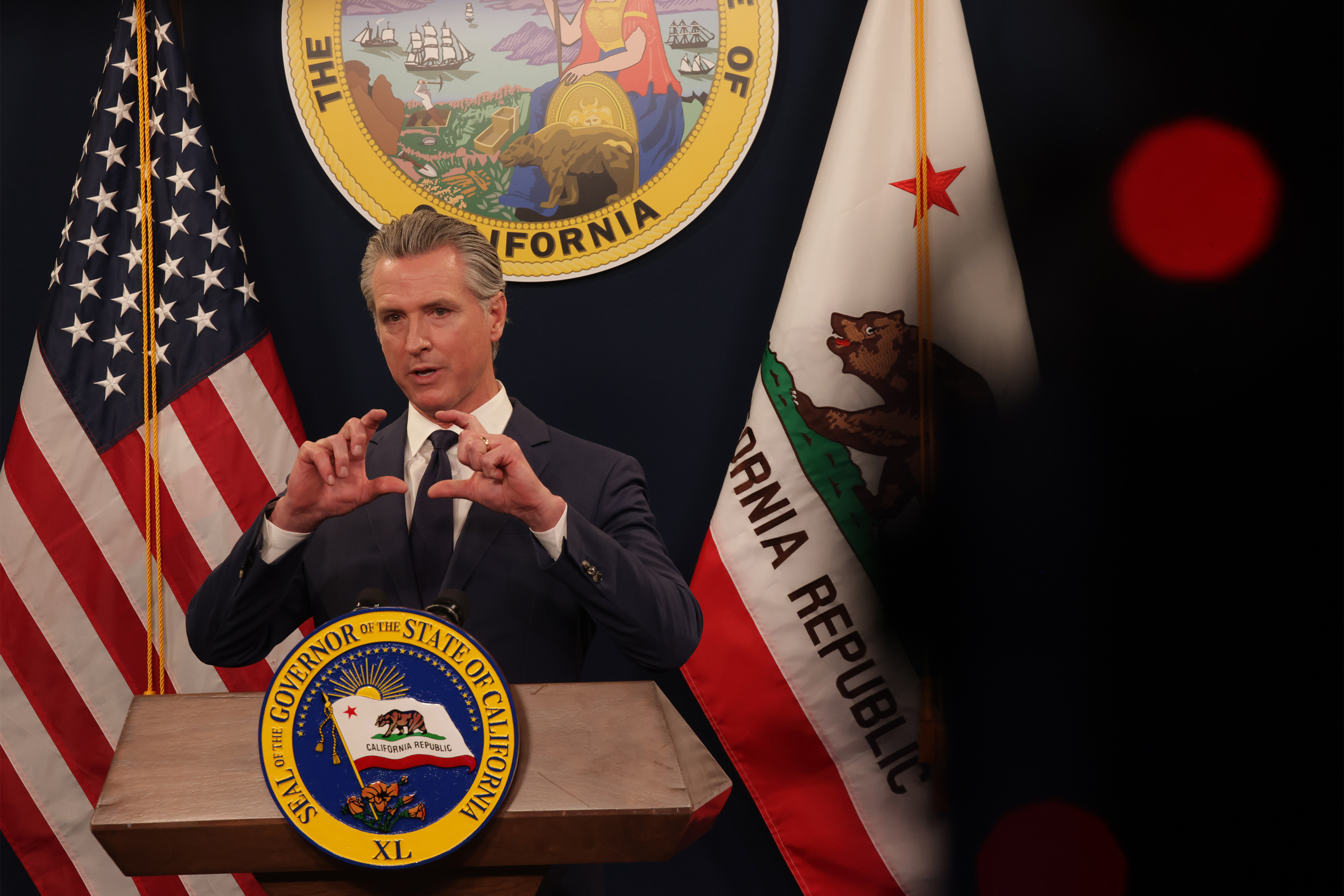
Still, the loss of widely accessible queer-specific mental health resources via 988 worries Black; more than 1.3 million “press 3” calls had been answered while the service was available. To make up for this loss in reach, Black is working to find new ways to position the Trevor Project as a key component of public health infrastructure. In 2025, the nonprofit partnered with the state of California to improve LGBTQ+-centered training for the state’s 988 operators, and to ensure that the phone number for the organization’s 24/7 hotline is printed on all public middle, high school, and college and university student IDs.
Like many of the kids who contact the Trevor Project, Black, 51, felt alone when they were younger. “I grew up as a queer, Black person in Texas,” they say. “I did not have a support system. I did not have a safety net.” After being outed by classmates, they dropped out of high school at 17. Decades later, they went on to finish their education—earning a bachelor’s degree at 36 and a master’s degree in their 40s—and felt “pulled” to the nonprofit sector after years of working in the corporate world. “One of the interesting things about being [at the Trevor Project] is that I get to be who I didn’t have as a young person,” they say. “The fact that I’m here today, I owe something back to the youth.”
The current U.S. political climate poses many challenges to Black’s work, but they remain resolute in the Trevor Project’s mission. “Our vision is to create a world where LGBTQ+ young people see a bright future for themselves.” And when they think about the loving parent who approached them that night in the theater, they’re sure: “We can do this. We just have to keep going.”
If you or someone you know may be experiencing a mental-health crisis or contemplating suicide, call or text 988. In emergencies, call 911, or seek care from a local hospital or mental health provider.









 English (US) ·