
As an occupational therapist working in medical respite care, Caitlin Synovec saw people in their 50s or 60s at a moment when their lives had forever shifted. Perhaps a stroke or other serious medical event sent them to the hospital. But too often, during their extended treatment, they lost their jobs and then their housing. Newly homeless, they might manage to snag a spot in a respite care program designed for people without stable housing who need a place to continue their recovery. But then, a question would loom over their future: Where would they go next?Many patients in that situation wind up living on the streets or in shelters, despite efforts to find them permanent housing. A surprising number of older adults, however, find themselves in a nursing home—even if they don’t need or want that level of care. According to research from the United Health Foundation, one in 11 people in nursing homes have “low-care needs,” meaning they do not require physical assistance for bed mobility, transferring, using the toilet, or eating. The ratios vary by state, from a low of 2.5% in Hawaii to nearly 23% in Oklahoma.It’s an expensive housing solution: One year in a nursing home costs $11...
Related


Información básica de la artritis psoriásica
1 day ago
12



Why You Should Join a Choir
2 days ago
13

What Peacemaking Loses When Women Are Left Out
2 days ago
14
Popular


The Price of Privacy When It Comes to Dementia
3 weeks ago
75

![Vegan Chocolate S’mores Muffins [gluten-free + sugar-free]](https://i0.wp.com/healthyhelperkaila.com/wp-content/uploads/2017/01/SmoresMuffins5.png?fit=800%2C800&ssl=1)
Vegan Chocolate S’mores Muffins [gluten-free + sugar-free]
3 weeks ago
68


25 Years After 9/11, Americans Must Remember What Binds Us
2 weeks ago
60

Vegan Pecan Pie Stuffed Dates
3 weeks ago
60
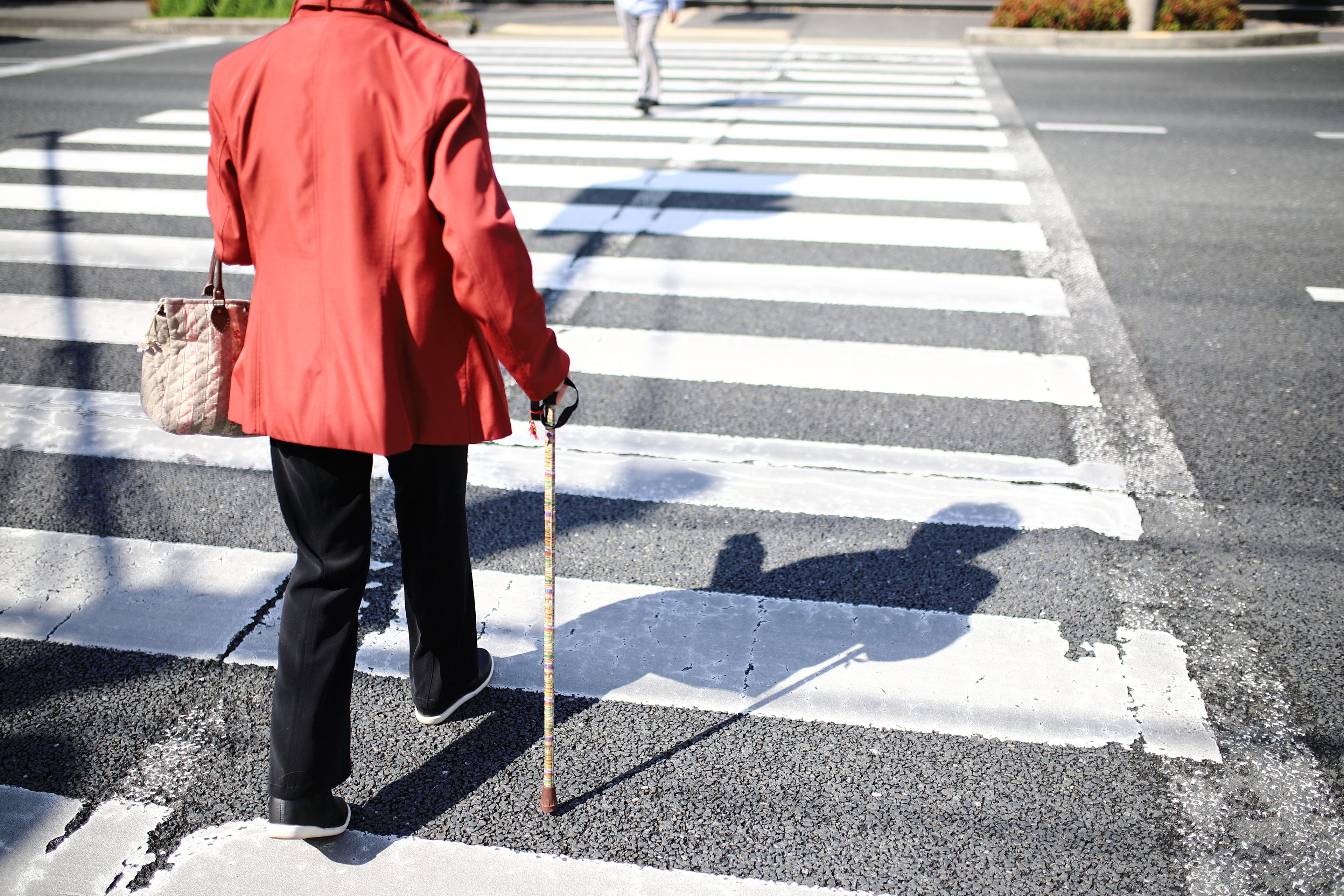
Why Older Pedestrians Fare Worse in Car Crashes
1 month ago
59
 English (US) ·
 © Clint's Healthy Living 2026. All rights are reserved
