Microplastics are plastic fragments smaller than 5 millimeters, and the ones found in drinking water are usually 1–5 microns or smaller — far thinner than a human hair, which runs about 70 microns. Peer-reviewed studies have detected them in tap and bottled water worldwide, but the health evidence is still developing. A microplastics water filter that physically excludes particles — sub-micron mechanical media or reverse osmosis — is the reliable way to reduce them. Key Takeaways — Do You Actually Need a Microplastics Filter? The particles are real and they’re in most water we’ve tested for them — that part isn’t in dispute. What’s unsettled is whether the doses in drinking water hurt you. At the moment, the WHO’s stance is that there is no definitive proof that microplastics pose a significant risk to your health. Granted, this is not saying they’re definitively safe. If you want to reduce microplastics, ignore marketing adjectives and look at one number: the absolute micron rating. Sub-micron mechanical or RO removes them. A loose carbon pitcher mostly doesn’t. KNOW YOUR WATER FIRST Before you buy a microplastics filter, see what’s actually in your supply. Enter your ZIP and we’l...
Microplastics in Tap Water: A Plain-English Guide to What’s Actually There
 1 week ago
21
1 week ago
21
Related

What to Do When Someone Gives You the Silent Treatment
10 hours ago
1

Is Toilet Paper Bad For You? Here’s What Experts Say
15 hours ago
7
India's Best Employers
16 hours ago
4
Popular
![Lemon Olive Oil Cake [vegan + gluten-free]](https://i0.wp.com/healthyhelperkaila.com/wp-content/uploads/2025/12/Lemon-Olive-Oil-Cake6-copy.png?fit=800%2C800&ssl=1)
Lemon Olive Oil Cake [vegan + gluten-free]
3 weeks ago
66

Healthy Low-Cal Chocolate Peanut Butter Ninja Creami
1 month ago
66
![Flourless Caramel-Stuffed Chocolate Brownies [gluten-free + dairy-free]](https://i0.wp.com/healthyhelperkaila.com/wp-content/uploads/2021/07/Flourless-Caramel-Stuffed-Chocolate-Brownies3.png?fit=800%2C800&ssl=1)
![Healthy No-Bake Sunflower Butter Bars [vegan + gluten-free]](https://i0.wp.com/healthyhelperkaila.com/wp-content/uploads/2026/08/Healthy-No-Bake-Sunflower-Butter-Bars6.png?fit=797%2C800&ssl=1)
Healthy No-Bake Sunflower Butter Bars [vegan + gluten-free]
3 weeks ago
50
![No-Bake Vegan Chocolate Banana Nut Donut Holes [high-protein + gluten-free]](https://i0.wp.com/healthyhelperkaila.com/wp-content/uploads/2026/07/No-Bake-Vegan-Chocolate-Banana-Nut-Donut-Holes16.png?fit=800%2C800&ssl=1)
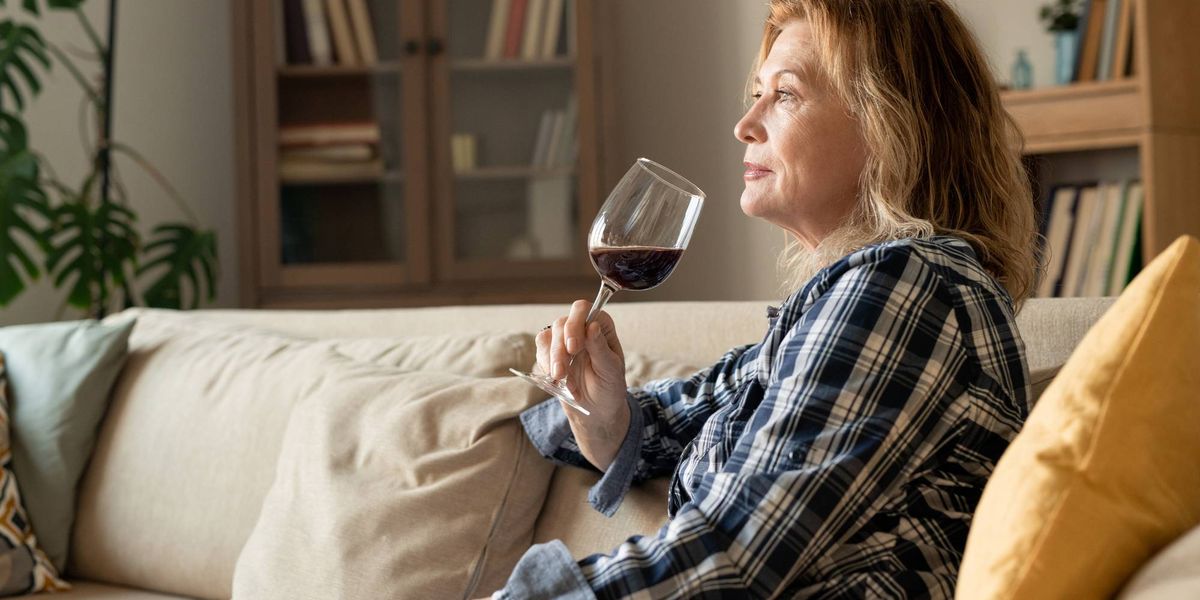
The Rise of Cirrhosis in Women
4 weeks ago
48
 English (US) ·
 © Clint's Healthy Living 2026. All rights are reserved
