
If you’re visiting your favorite beauty or off-price department store, you’ll notice the difference on the shelves. Brands you may not have heard of, with labels that might be written in a different language, it can feel overwhelming. Which products to try? Where is this cleanser from? Welcome to the world of J-beauty and K-beauty.
What We Need to Know About Asian Skincare
In the past decade or so, an overseas beauty revolution has brought life to the skincare industry. Asian skincare isn’t just an imported series of trends, but products from the region have created many global trends in the beauty world. From sheet masks to essences, PDRN to snail mucin, the ingredients and applications we’re seeing on retail shelves and hearing about online are increasingly imported from Korea or Japan.
Korean Beauty or K-beauty has sparked an excitement for skincare ingredients and new kinds of products. Japanese beauty or J-beauty has similar popularity but takes a different approach to the industry. There are key differences between these global beauty powerhouses. For Black beauty consumers with concerns regarding issues like hyperpigmentation, oily skin, dry skin or acne, knowing the differences in the beauty beliefs and approaches to skincare will lead to wise purchasing decisions for these new, innovative imports.
Shopping Tips for J or K-Beauty
If you’re curious about entering the world of J or K beauty (or both), here’s your first tip. Know your skin’s needs and look towards those specific ingredients before going blindly into a product buying frenzy.
“You should know your skin type. If my patients are acne prone, oily, dry or sensitive I help them choose products that are right for them. If someone is dry, products with hyaluronic acid will improve hydration and if someone has acne prone skin, salicylic acid will help improve breakouts. I recommend antioxidants for sensitive patients. I also advise patients to prioritize ingredients over brand names and to focus on what they want to solve–dryness, brown spots, redness, acne or fine lines. I tell patients to start slowly and introduce new products one at a time to monitor for reactions,” says Dr. Debbie Palmer, board certified dermatologist and author of Mindful Beauty.
if you’re not sure about the ingredient or the brand and want to figure out if it will work for you, that’s a great time to use your phone to look up more information. If the back of the product’s label doesn’t provide clear information, sites like Olive Young and Rei Cosmetics are incredible resources for Korean and Japanese beauty respectively, offering detailed overviews, ingredients, and more.
Similarities Between Japanese and Korean Beauty
There are key differences, to be certain. But there are also many overlapping similarities between J and K beauty, in terms of ingredients and considering skin health. The promise of healthier skin is what has helped to make these products so popular around the world. Leo Park, founder and CEO of Seoul Beauty Club – a premium, curated K-Beauty subscription platform, believes that the global rise of K-Beauty and J-Beauty reflects something far deeper than aesthetics.
“Western beauty historically prioritized aggressive, quick-fix solutions. Today’s consumers are more educated and focused on long-term skin health,” Park says. “What’s unfolding isn’t hype. This is a structural shift in how consumers approach skincare.” Consumers today are bombarded with information about new products promising outstanding results. As a result, we’re more choosy and more educated about what our skin needs.
When it comes to Japanese skincare products versus Korean skincare products, there are overarching similarities and cultural differences. Nami Soejima, founder of Rei Cosmetics offered helpful insights. “With regards to J-Beauty vs. K-Beauty, I do think that there are probably more similarities than differences — there is quite a bit of cross-over across the two countries as you can imagine. But the main differences are regulatory — Japan tends to have stricter cosmetic regulations — and the speed and cycle of product change. Korea tends to be trend-driven; Japan tends to have brands and products that are around for a really long time. Also, Japanese products tend to be more catered towards sensitive skin while Korea uses more powerful ingredients.”
When it comes to K-Beauty, Dr. Palmer likes the versatility and functionality of the products on the market. “Korean beauty products are innovative in that many products are multifunctional. They consider long-term skin health and focus on improving skin quality over masking imperfections,” says Dr. Debbie Palmer.
Differences Between J and K Beauty
One major difference between J beauty and K beauty would be the pace of new ingredients and launches. “While K-beauty is known for ever-changing innovative ingredients, Japanese skincare uses tried-and-true ingredients that have been part of J-beauty rituals for a very long time — we are talking decades, if not centuries. This is partly because of the stringent regulatory process in Japan, where cosmetic ingredients are tested for long-term safety before they can be introduced,” explains Soejima.
If you want to know what’s hot for those in the know, shopping by ingredient on Olive Young and Rei Cosmetics shows the popular trends. For K-Beauty, right now it’s all about hyaluronic acid, panthenol, cica, ceramides, niacinamide, and collagen. The top skincare concerns are acne, brightening, dullness, moisturizing, soothing, fine dust removal, visible pores, and “well-aging.” In terms of Japanese beauty, the top skincare ingredients are rice, sake (which is fermented rice), Hatomugi, also known as job’s tears or coix seeds, Vitamin C, as well as hyaluronic acid and ceramides for skin barrier protection.
Japanese Beauty Brands to Know and Products to Try
There are many J-beauty brands with rich legacies and long histories, product lines that use tried and true ingredients that focus on achieving “mochi skin,” hydration and protection. The skincare category of Rei Cosmetics gives you a general overview of popular skincare brands in Japanese beauty, including Hada Labo, Kikumasamune and Biore. Other popular J beauty brands to consider include the legendary and longstanding Shiseido, Tatcha, Kose, and Decortè. If you’re looking to dip your toe into J-beauty skincare, try these product recommendations:
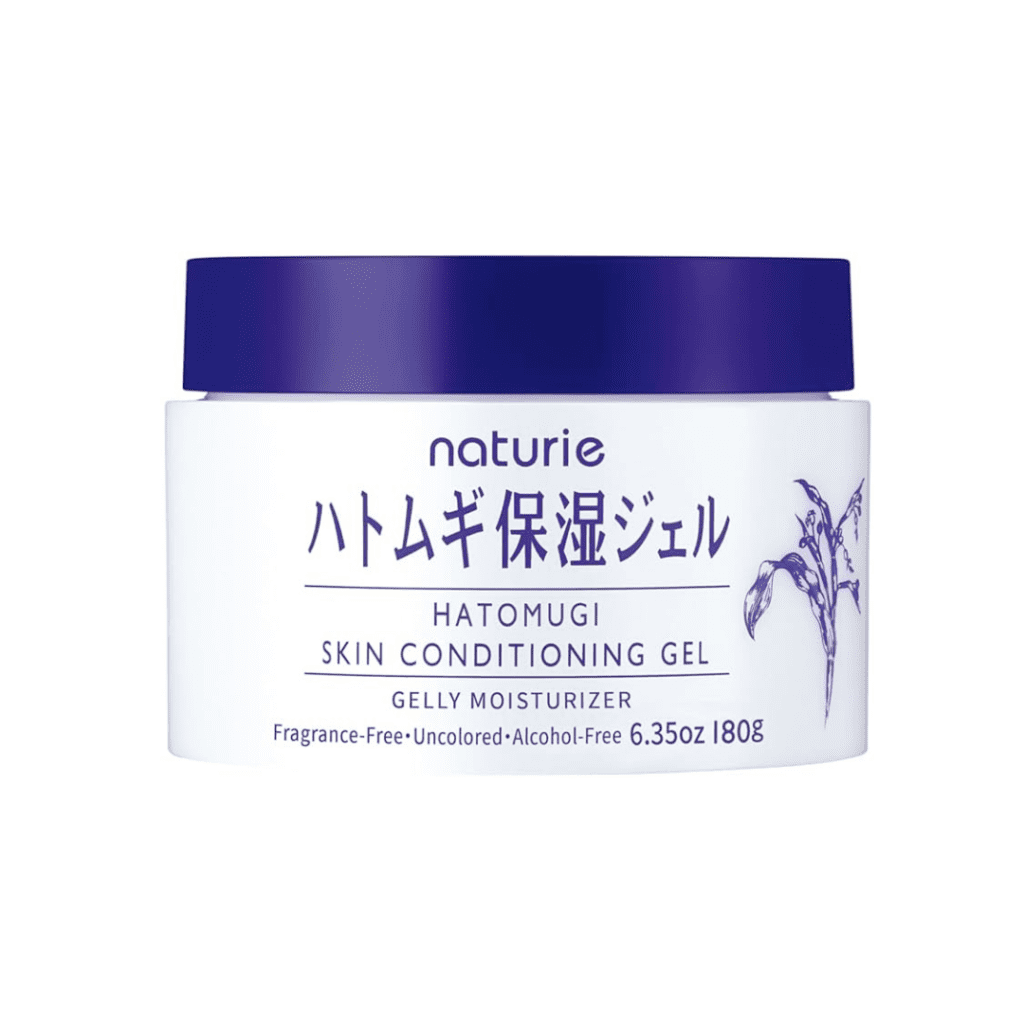
Naturie Hatomugi Moisturizing Gel is considered a cult favorite because of its anti-inflammatory ingredients. Hatomugi extract is a traditional ingredient known for moisturizing and calming your skin. This is a water-based, oil-free, multi-use product that can be used as a daily face moisturizer, a sleeping mask, or for all-over body hydration.
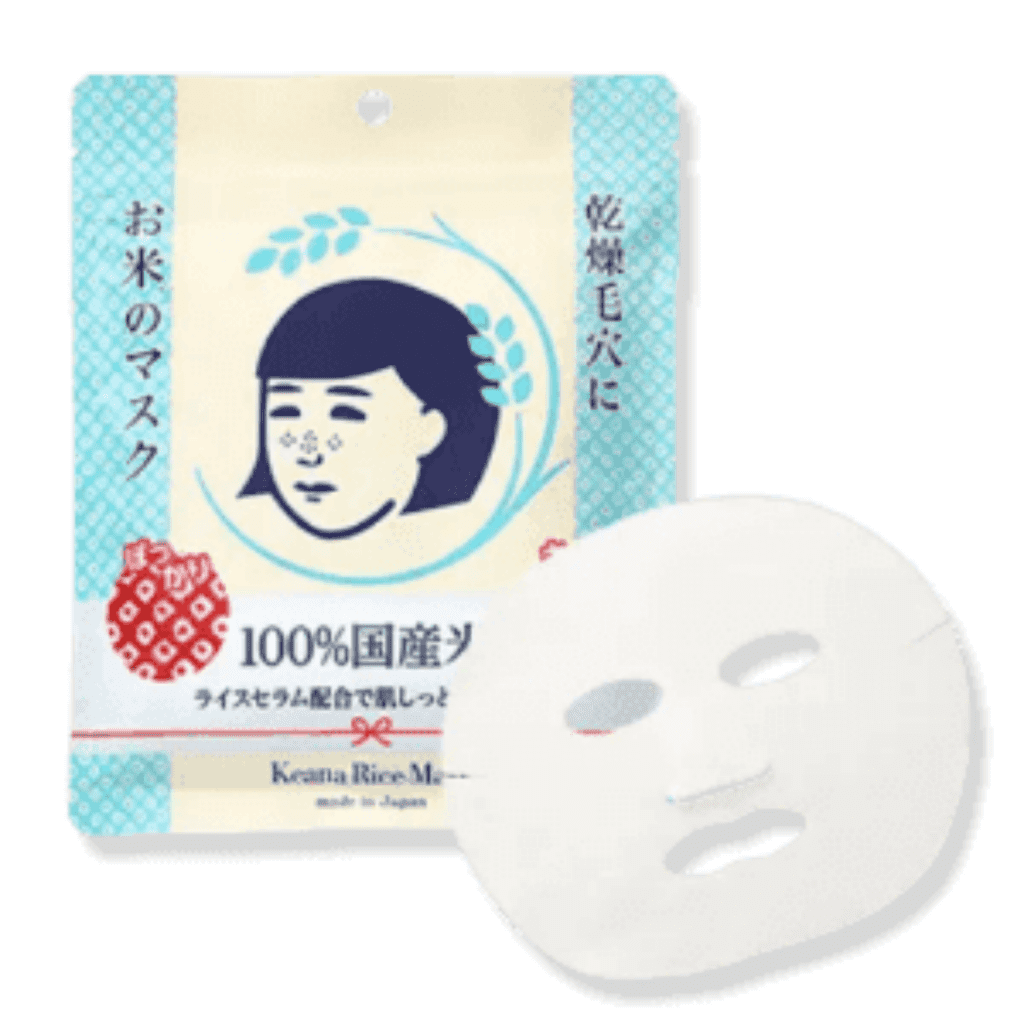
Keana Nadeshiko Rice Serum Mask is said to be a cut above the usual sheet mask, made with 100% Japanese rice-derived ingredients to deeply hydrate dry skin.
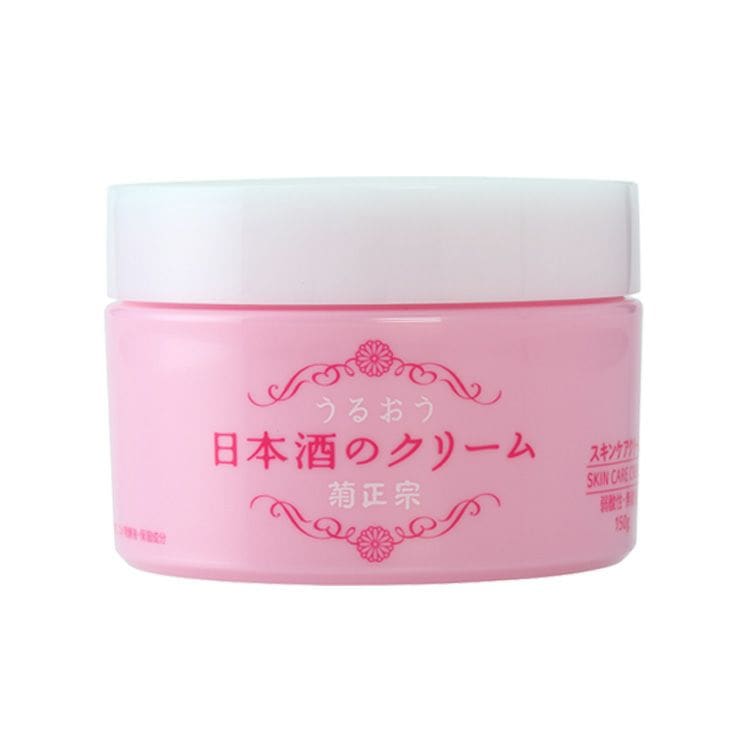
Kikumasamune Japanese Sake Skin Cream is made by a famous sake brewery that also makes skincare products. Used traditionally by geisha to moisturize their skin, sake has a longstanding and fascinating history as both beverage and balm.
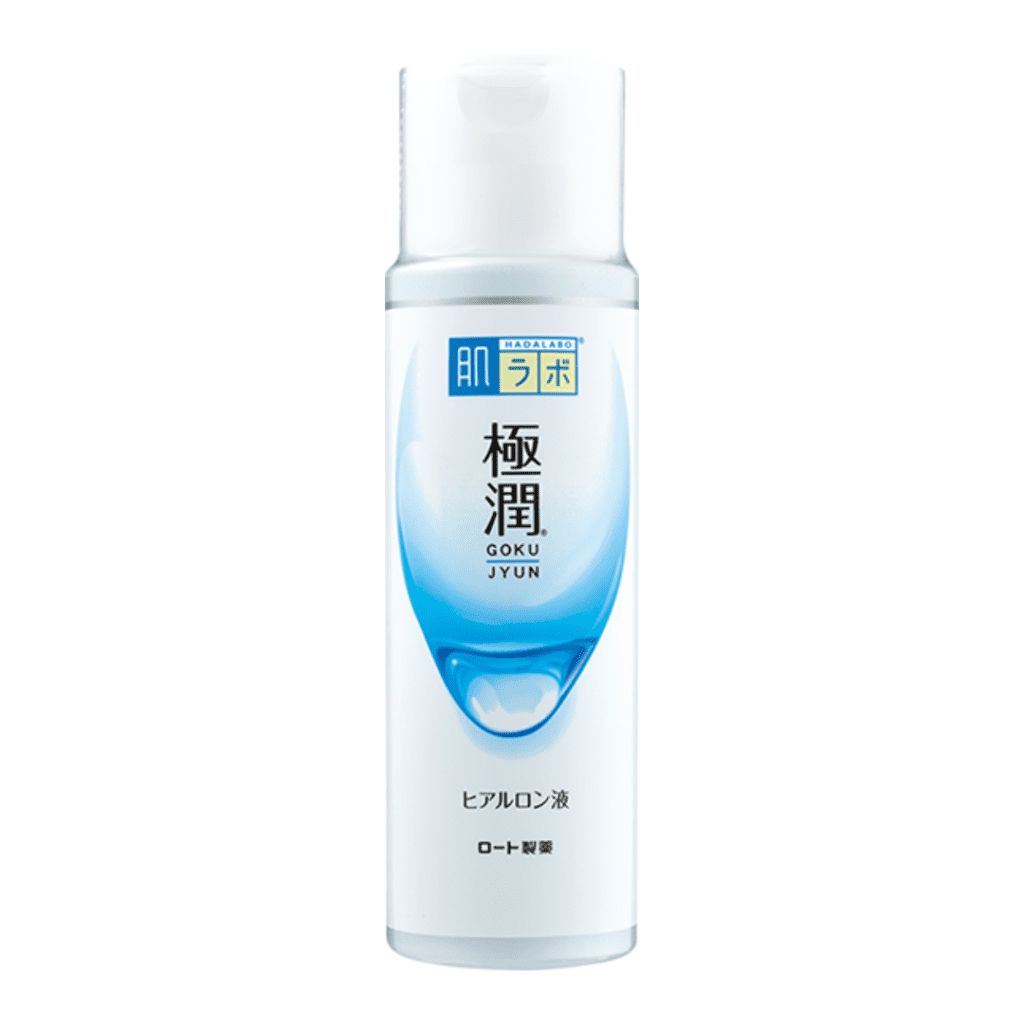
Hada Labo Shirojyun: Hydrating Lotion Moist is a daily use product described as a deeply moisturizing toner-essence hybrid designed to brighten dark spots with tranexamic acid, vitamin C derivative and vitamin E.
Korean Beauty Brands to Know and Products to Try
There are so many exciting, innovative Korean skincare brands, products, and ingredients, shopping for K-beauty can be dizzying. Trends can come and fade quickly, and many of the top sellers are multi-use products. Korean skincare brought the term “glass skin” to the beauty lexicon, and many products focus on exfoliation, deep cleansing and barrier protection. New brands gain popularity all the time, but some of the most popular now are ma.nyo,
Hanacure, Banila Co, COSRX, mixsoon, ANUA, dearcloud and Dr. Melaxin. Glamquest Beauty is a new K-beauty brand formulated with Black skin in mind, one to keep an eye on as new products are added to their lineup. Consider these product picks if you’re looking to try K-beauty brands.
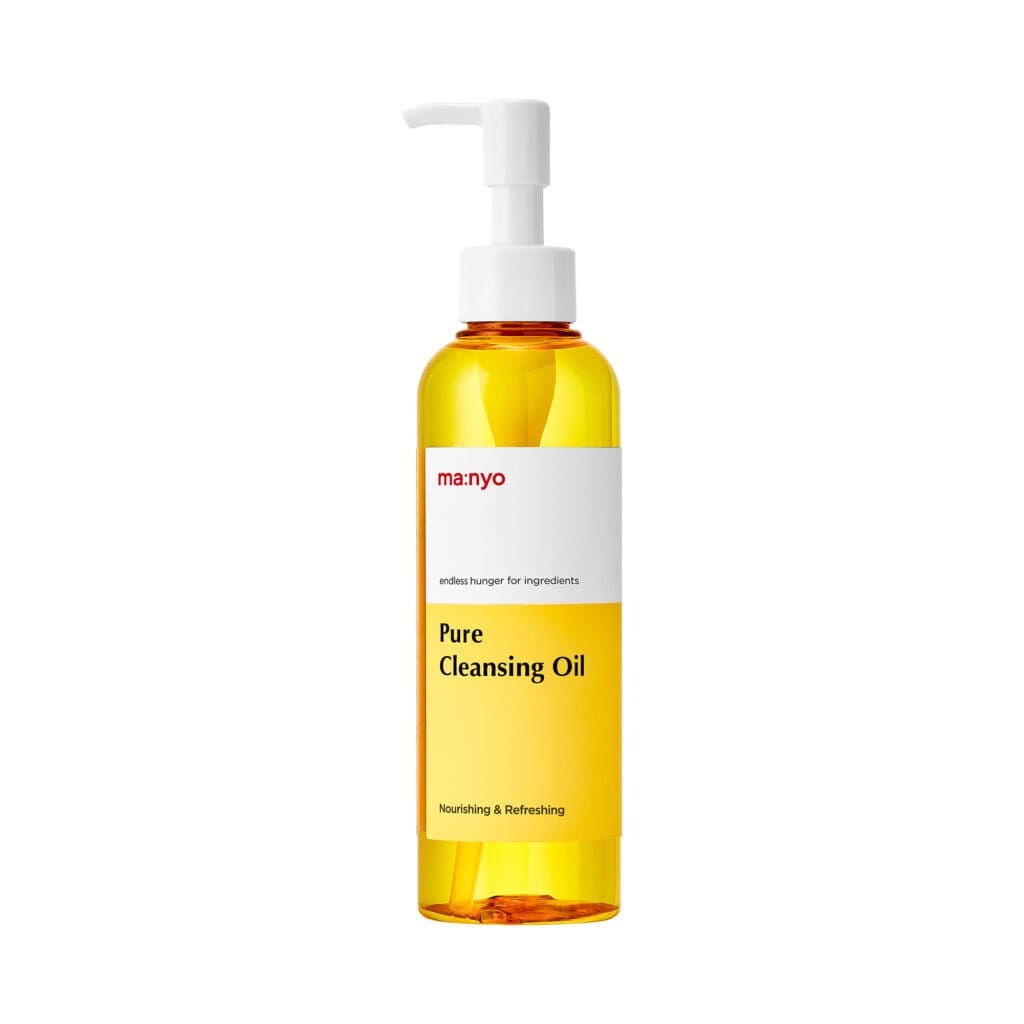
ma:nyo Pure Cleansing Oil Deep Clean is intended for thoroughly, gently removing makeup and dirt, cleaning pores, and reducing blackheads. Made with grapeseed oil, it promises to remove even waterproof makeup easily.
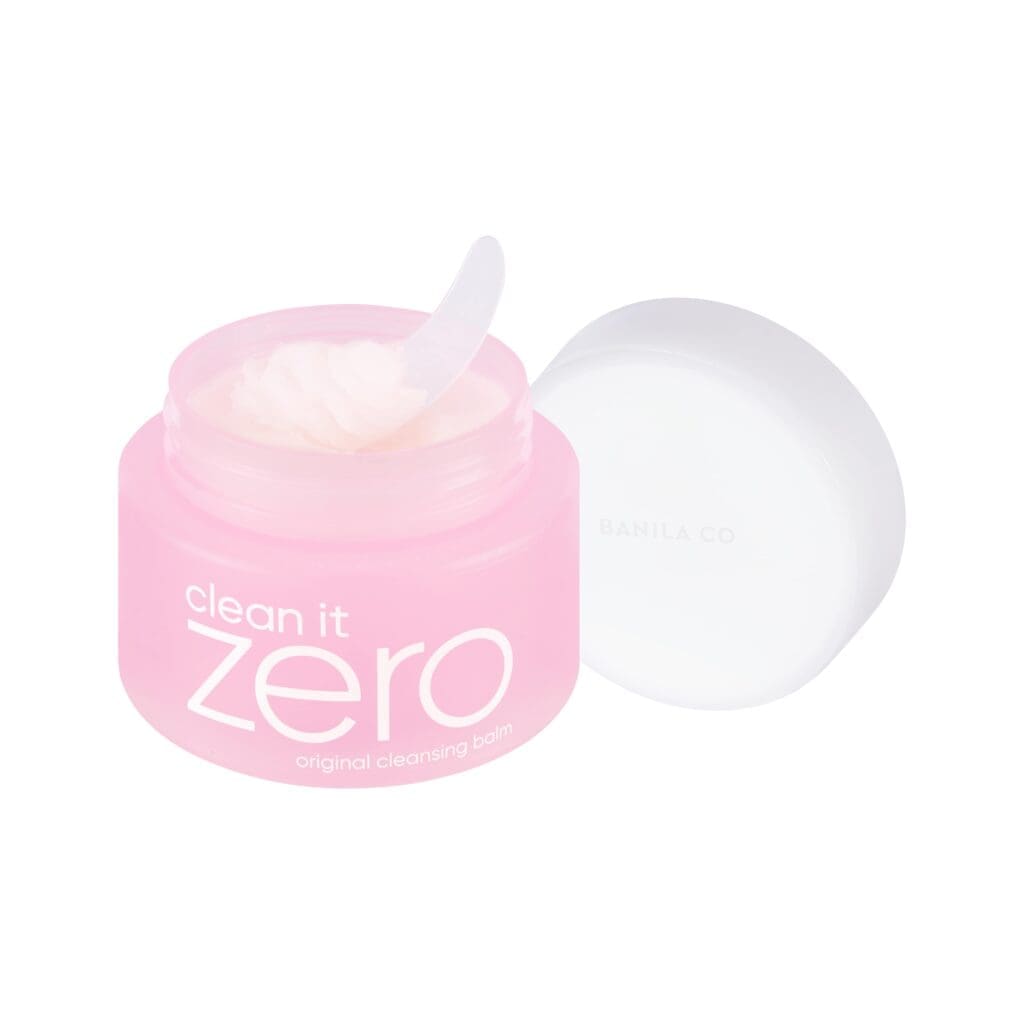
Banila Co Clean It Zero Original Cleansing Balm was named the number one cleansing balm in the world, according to Euromonitor International (based on 2023 RSP Value Sales terms, Cleansing Balm sold via all retail channels, research period: November 2024 to February 2025). The brand has a reputation for melting away makeup in one step and having a texture like sorbet that melts into oil on your skin, cleansing away dirt and grime.
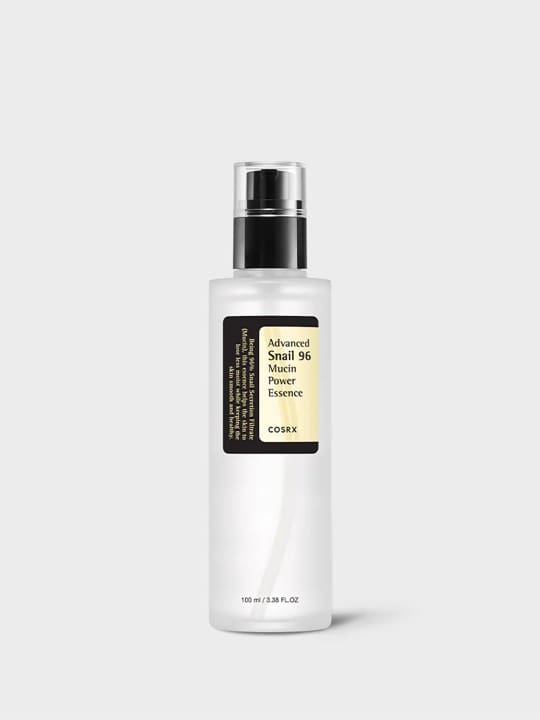
COSRX Advanced Snail 96 Mucin Power Essence contains filtered snail secretions to hydrate, calm irritation, and support a stronger skin barrier. Yes, snail secretions! COSRX helped to popularize snail mucin as a go-to ingredient for lasting hydration and skin repair. For Black skin, the formula is said to help fade post-acne marks, even skin tone, and boost overall glow without causing irritation.
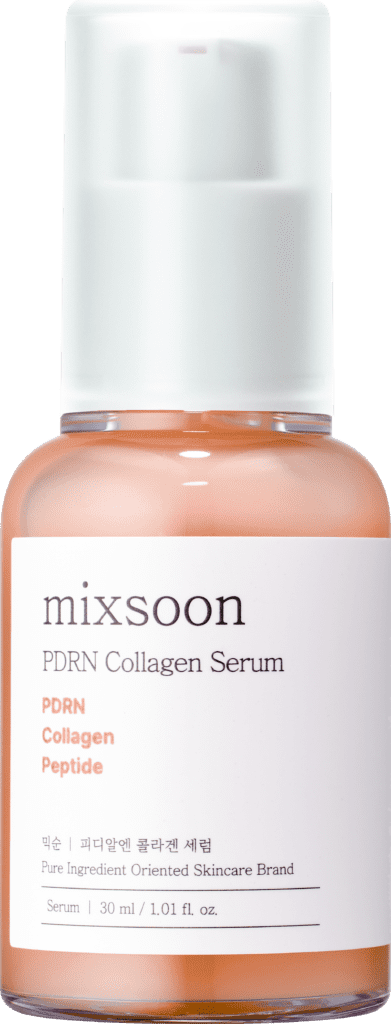
mixsoon PDRN collagen serum promises firm, bouncy skin and restored radiance to dull complexions. It combines collagen, peptides and plant-based PDRN (polydeoxyribonucleotide) to diminish inflammation and recover skin’s suppleness.













 English (US) ·