
Video/Image
Voiceover/Audio
Meet Your Microbiome
Graphic: Animated zoom into the gut showing trillions of tiny animated microbes floating around.
Graphic: infographic-style animations pop up: stomach for digestion, shield for immune function, fire symbol fading for inflammation, and smile face for mood.
Your gut is home to trillions of microscopic organisms, including bacteria, fungi, viruses and more. Together, they make up your gut microbiome.
This community plays a significant role in everything from digestion and immune function to inflammation levels — and even your mood.
Graphic: Show a person eating sugar and processed foods, feeling stressed, not sleeping enough, smoking, drinking, and overdoing antibiotics and holding their stomach to insinuate poor gut health
Your gut microbiome can change quickly based on your habits. Things like antibiotics, a diet rich in sugar and processed foods, chronic stress, insufficient sleep, smoking and drinking alcohol alter it in a negative way.
The danger of dysbiosis
Graphic: shows a gut where the healthy bacteria (green) being overpowered by the unhealthy bacteria (red)
When your gut health gets out of whack, called dysbiosis, it has too much harmful bacteria and not enough healthy bacteria.
Dysbiosis can contribute to several health concerns, including a potentially increased risk of colorectal cancer.
Graphic: Animation of bacteria attaching to colon lining, inflammation happening in the area, polyps forming and shifting into tumors
Certain bacteria, like some strains of E. coli, can stick to the lining of the colon, increasing inflammation in gut cells and the body, and, in some cases, release toxins that damage DNA.
These changes can encourage polyps in the colon to grow into tumors.
How to maintain a healthy gut
[Super/Animations]: A checklist pops up with icons for each:
Plant-rich diet: plate of veggies
Probiotic foods: yogurt, kimchi jar
A person lifting weight or doing aerobics
Limit antibiotics and antimicrobials: antibiotic pill bottle with “x”
Stress management: A person meditating or doing yoga
Sleep: Someone sleeping restfully
Quit smoking/limit alcohol: Someone throwing out a pack of cigarettes and another waving off a glass of wine.
You can prioritize a healthy gut by:
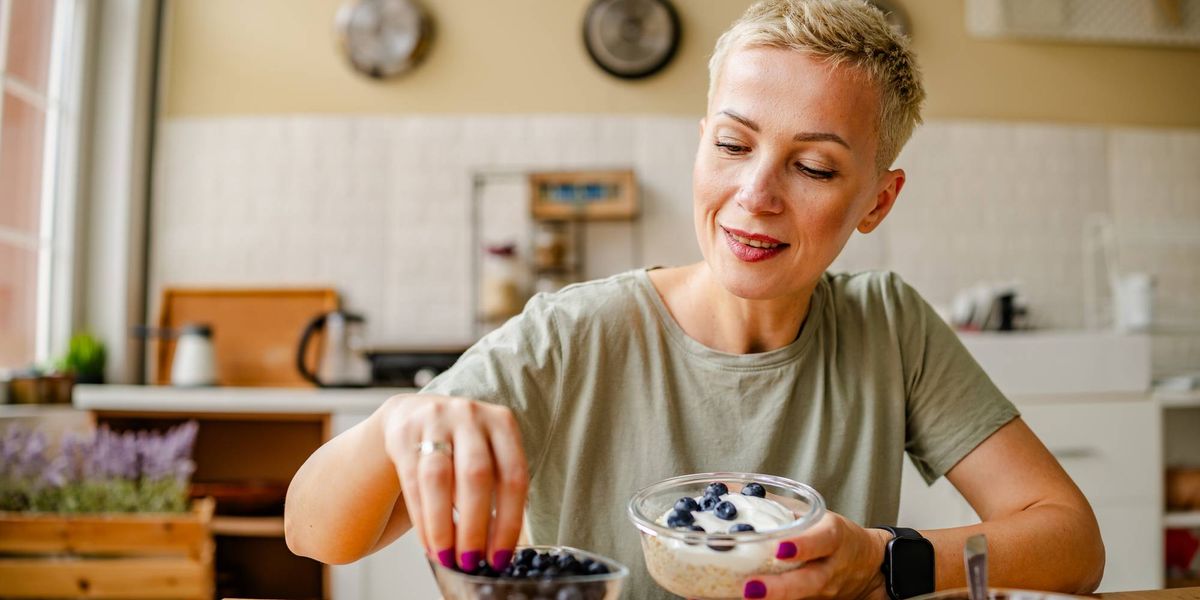
- Eating a plant-rich diet high in fiber and probiotic-rich or fermented foods like sauerkraut, kimchi and yogurt
- Exercising
- Avoiding taking antibiotics and antimicrobial medications more than you need to
- Managing your stress levels through meditation, yoga and journaling
- Getting 7 to 9 hours of sleep a night
- Quitting smoking and not drinking alcohol
Keep up with screenings
[Animation]: A woman is at her doctor’s office and she’s holding a pamphlet about acolonoscopy
In addition to focusing on gut health, it’s important to keep up with colorectal cancer screenings.
People of normal risk should begin routine colonoscopies or stool testing at age 45.
[Animation]: A Black woman is going in for acolon cancer screening, walking in a door that says "colonoscopy" on the door
It’s especially important for Black Americans to get tested because they’re more likely to be diagnosed with colorectal cancer and more likely to die from it than White Americans.
Healthy gut = Healthy life
[Animation]: A person doing some yoga, then eating a salad, and then putting a colonoscopy on their calendar with a big smile on their face.
By taking care of your gut and staying on top of screenings, you can reduce your risk of colorectal cancer.
For more information, please visit HealthyWomen.org/ColonCancer
This resource was created with support from Merck.

.png?branch=production&width=3840&quality=75&auto=webp&crop=16:9)













 English (US) ·