
Teeth whitening sounds simple from the outside. You use a whitening product, your teeth get brighter, and your smile looks cleaner and fresher.
But a lot of people do not really know what is happening during the process.
Whitening does not scrub the teeth the way a toothpaste does. It does not paint them white either. It works through a chemical process that breaks down stain compounds inside the tooth structure, which makes the color look lighter. The whitening agents most commonly used are hydrogen peroxide and carbamide peroxide. Follow this guide by Dr. Sally to learn more!
Why do teeth change color in the first place?
Teeth do not always stay the same shade over time.
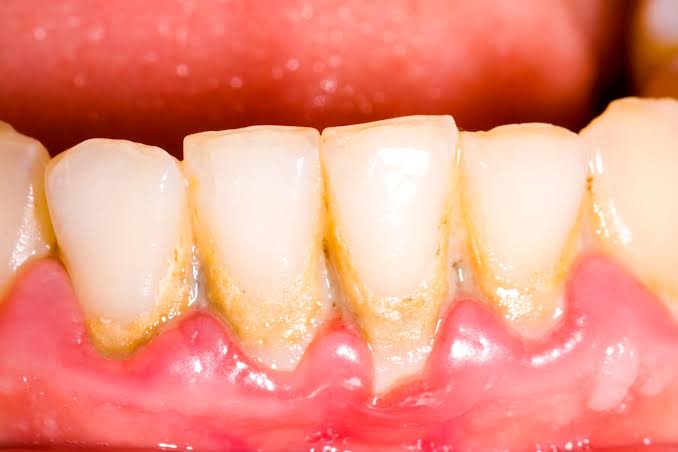
Some stains are on the surface. These are often called extrinsic stains. Coffee, tea, red wine, tobacco, and similar habits can darken the outer layer of the teeth and make them look yellow, brown, or dull over time. Age also plays a role because teeth naturally become darker as the years pass.
Other discoloration goes deeper. These are often called intrinsic stains. They can happen from trauma, certain medications, changes inside the tooth, or internal darkening that is not just sitting on the surface. Whitening can help with some deeper stains, but the results are often less predictable than they are with ordinary surface staining.
That difference matters because not every stain responds the same way. Some teeth whiten quickly. Others improve more slowly. Some change a lot, while others only change a little.
What whitening gel actually does
The active ingredients in whitening gels are usually hydrogen peroxide or carbamide peroxide.
These ingredients can move through the hard tissues of the tooth. Once they do, they break stain molecules into smaller pieces through a chemical reaction. As those stain molecules become less concentrated, the teeth appear lighter. That is the core reason whitening works.
This is why whitening is often called bleaching in dentistry. It is not just removing something sitting on top of the tooth. It is changing the color effect created by stain compounds within the tooth.
That also explains why professional whitening can do more than regular toothpaste. Whitening toothpaste mostly helps with surface stain removal. Peroxide-based whitening goes further by changing the stain chemically. This is an inference based on the ADA’s distinction between peroxide whitening interventions and other whitening approaches like rinses or surface stain reduction.
Why does some whitening happen fast, and some take weeks?
People often expect one treatment to change everything overnight.
Sometimes that happens to a degree, especially with in-office whitening. But many whitening methods work gradually.
A dentist may provide custom trays and whitening gel to use at home for around 2 to 6 weeks. In-office whitening is faster and usually more effective per session because stronger products are used under professional supervision. NHS guidance says in-office whitening can be completed in one appointment, often lasting around 1 to 2 hours, while home tray systems typically whiten more gradually over a period of weeks.
That does not mean slower treatment is worse. It just means the whitening process depends on the type of product, the concentration, how long it stays on the teeth, and the kind of staining being treated.
Professional whitening and store-bought whitening are not the same
Many products promise a whiter smile, but they do not all work the same way.
Professional whitening usually falls into two main categories. One is in-office whitening done by a dentist. The other is a dentist-supervised home system that uses custom-fitted trays and professional gel. Both use peroxide-based chemistry, but the delivery and strength are more controlled than many over-the-counter options.
Over-the-counter products can whiten teeth, too, but they often produce milder results. Cleveland Clinic notes that at-home products generally do not create the same level of whitening as professional in-office treatment.
That difference matters because people sometimes try a weak product, get limited results, and assume whitening does not work. In reality, the product may simply not have been strong enough or appropriate for the type of stain. This is an inference from the differences in delivery systems and expected results described by ADA, NHS, and Cleveland Clinic sources.
Why whitening does not work on every part of your smile
One of the biggest misunderstandings about teeth whitening is that it changes every tooth-colored surface in the mouth.
It does not.
Whitening works on natural teeth. It does not whiten crowns, veneers, dentures, implants, or tooth-colored fillings that are already in place. That means if you whiten your natural teeth, older dental work may no longer match and could stand out more afterward.
This is a big reason why a dental exam matters before treatment. If someone has visible restorations in the front of the mouth, the dentist may need to talk through what kind of result is realistic before whitening starts.
Why teeth can feel sensitive after whitening
Sensitivity is one of the most common side effects of whitening.
This usually happens because the whitening chemicals temporarily affect the tooth in a way that makes it more reactive to cold, air, or sweet foods. Short-term gum irritation can also happen if gel reaches the soft tissues. NHS sources specifically list temporary sensitivity, sore gums, throat irritation, and white patches on the gums as possible side effects, though gum protection is used during professional treatment.
For most people, the sensitivity is temporary and improves after treatment ends. Some dentists adjust the schedule, lower the exposure time, or recommend sensitive toothpaste to make the process easier. Leeds Teaching Hospitals notes that sensitivity often improves shortly after treatment and that some patients may need to bleach less frequently if teeth become too sensitive.
This is why stronger is not always better. A good whitening plan balances visible improvement with comfort. That is especially important for people who already have a history of sensitive teeth.
What whitening can fix, and what it cannot
Whitening can be very effective for teeth that have become yellow or stained from food, drinks, smoking, or age.
It can also help in some cases of deeper discoloration, but the outcome is less predictable. Some stains respond well. Others barely move. ADA guidance says whitening can be effective for both extrinsic and intrinsic staining, but not all teeth change equally.
What whitening cannot do is reshape teeth, repair chipped enamel, close gaps, fix uneven edges, or change the color of crowns and veneers. If the real problem is damage, old dental work, or naturally uneven tooth color that whitening cannot solve, other cosmetic treatments may be a better fit.
That is why whitening is best understood as a color treatment, not a complete smile makeover.
How long does whitening last?
Teeth whitening is not permanent.
NHS guidance says the effect may last around 3 years if you follow your dentist’s advice, though this varies from person to person. The result depends a lot on your habits after treatment. People who regularly drink coffee, tea, red wine, or smoke may see staining come back sooner.
In real life, whitening is often more about maintenance than one permanent fix. Some people do one major treatment, then use occasional touch-ups to keep the shade where they want it. Leeds Teaching Hospitals also notes that some teeth darken again over time and may need repeat whitening in the future.
Why seeing a dentist first is the smart move
A lot of people think whitening is just cosmetic, so they try to skip the exam.
That can be a mistake.
NHS guidance says a dentist should check that the teeth and gums are healthy before whitening starts. Whitening is not recommended for everyone, including people with unhealthy teeth or gums, and NHS also says it is not done for people aged 17 or younger and is not recommended during pregnancy or breastfeeding.
A dental exam also helps identify whether the discoloration is from surface stains, deeper staining, decay, old fillings, or something else entirely. That makes the treatment safer and also improves the chances of getting a result that actually looks good.
The simple answer
So, how does teeth whitening work?
It works by using peroxide-based ingredients to break down stain molecules inside the tooth, making the teeth appear lighter and brighter. Professional whitening can be done in the office or with a dentist-supervised home system, and both approaches are designed to whiten natural teeth, not crowns or fillings.
The best results usually happen when whitening is matched to the right kind of stain, done safely, and guided by realistic expectations. Whitening can make a big difference, but it is not magic. It is a chemical process with real limits, real benefits, and better results when done the right way.
Article by cosmetic dentistry: Hollywood-dentist











![Gluten-Free Vanilla Zucchini Cake [high-protein + no added sugar]](https://i0.wp.com/healthyhelperkaila.com/wp-content/uploads/2025/04/ZucchiniCakeFEATURED.png?fit=800%2C800&ssl=1)


 English (US) ·