
Learn which foods can support healthy digestion and regularity naturally. Discover how fiber-rich foods and simple daily habits can help keep your digestive system functioning at its best.

Occasional constipation is something most people experience at some point. While it can be uncomfortable and frustrating, simple lifestyle and dietary changes are often enough to get digestion back on track. In many cases, nutrition is one of the safest and most effective ways to support regular bowel movements and overall digestive health.
About Constipation
Today, researchers know that digestive health involves more than simply having regular bowel movements. A healthy digestive system depends on adequate hydration, regular physical activity, enough dietary fiber, and a balanced gut microbiome, the trillions of beneficial bacteria that help digest food and support overall health. Many fiber-rich foods also act as prebiotics, providing nourishment for beneficial gut bacteria. These bacteria help produce compounds that support the health of the intestinal lining and contribute to normal digestive function.
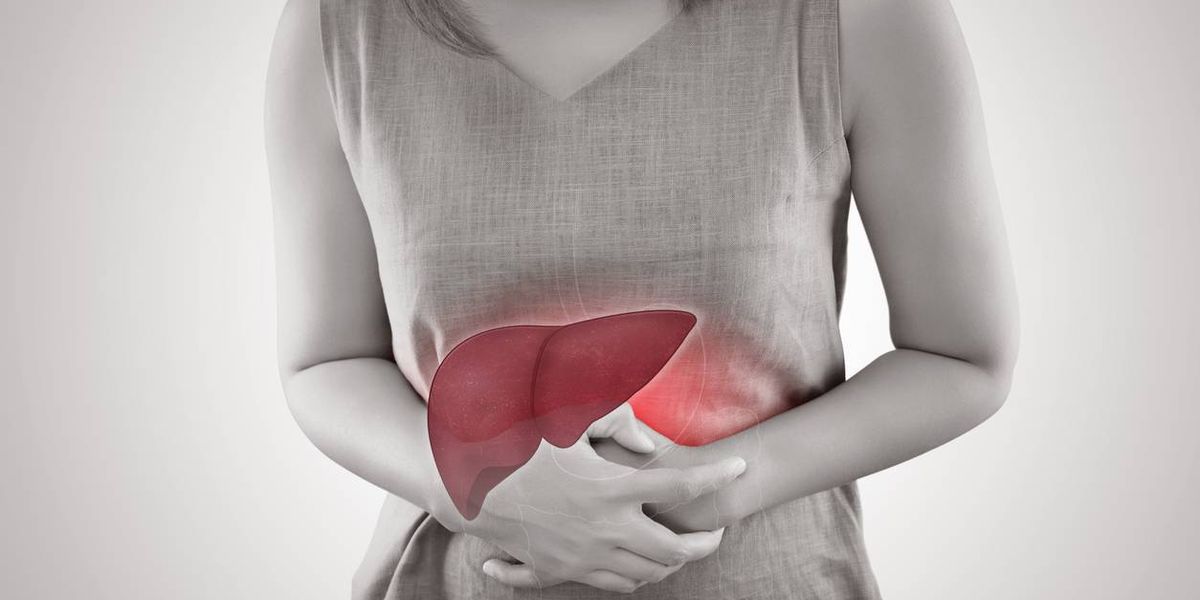
Constipation occurs when stool becomes hard, dry and difficult to pass. It is frequently accompanied by bloating, flatulence, pain, incomplete evacuation and straining to have a bowel movement. Normal bowel movement frequency can range widely, from eliminating several times a day to a few times per week. In general, someone is considered to be constipated when they have gone three days without a bowel movement.
There are many reasons for constipation. A few include:
- Gastrointestinal illness
- Immobility
- Routine disruption (such as with travel)
- Depression
- Medications
- Pregnancy
- Colon cancer
- Inadequate fluid or fiber intake
- Stress
- Hypothyroidism
Fiber-Rich Foods That Support Regularity
Depending on the severity and cause of your constipation, there are several potential solutions for stubborn stool. Common ways to encourage a bowel movement include drinking plenty of water, eating foods high in fiber, exercising, going to the bathroom as soon as you feel the urge, placing your feet on a stool while on the toilet to raise your knees above your waist and using a stool softener or laxative medication.
It’s also important to remember that fiber and water work together. Fiber absorbs water as it moves through the digestive tract, helping to soften stool and make it easier to pass. Increasing your fiber intake without drinking enough fluids may actually make constipation worse.
Some people also choose supplements to support digestive health, such as fiber supplements, digestive enzymes, or products formulated to promote bowel regularity. For example, Colon Cleanse is formulated with ingredients intended to support healthy bowel function and regularity. As with any supplement, it’s best to consult your healthcare provider before adding it to your routine, particularly if constipation is persistent or accompanied by other symptoms.
Digestive Health Tip: Most adults should aim for 22 to 34 grams of fiber each day, but increasing fiber gradually and drinking enough water can help minimize gas and bloating while your digestive system adjusts.
Foods That Support Healthy Digestion
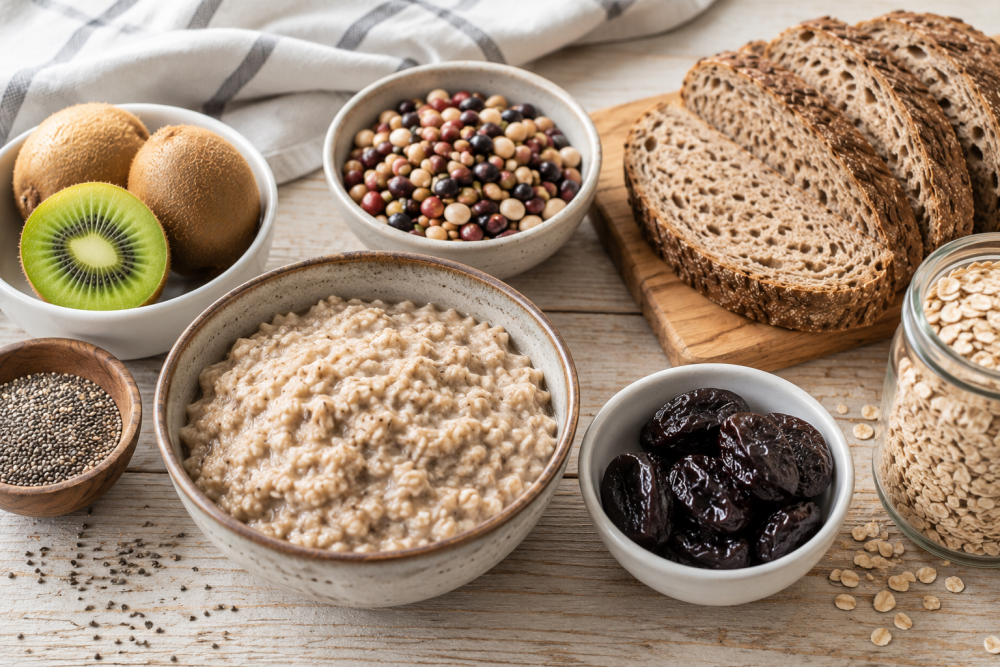
When it comes to relieving occasional constipation, no single food works like magic. Instead, eating a variety of fiber-rich foods, drinking enough water, and staying physically active remain the foundation of good digestive health. Many of these foods also provide nutrients that help nourish the beneficial bacteria living in your digestive tract, which play an important role in maintaining digestive health and regularity.
Some of the best foods you can put in your body to help ease constipation include:
- Kiwi – Kiwi has become one of the most researched fruits for relieving occasional constipation. It contains both soluble and insoluble fiber, along with a natural enzyme called actinidin that may help support digestion. Research has found that eating green kiwifruit may increase bowel movement frequency, improve stool consistency, and reduce abdominal discomfort in people with occasional constipation.
- Rye Bread – Choosing whole grain rye bread instead of refined white bread is a simple way to increase your fiber intake. Rye is especially rich in arabinoxylan, a type of fiber that helps retain water in the stool while supporting beneficial gut bacteria. Research has found that whole grain rye bread can improve bowel function and increase stool frequency compared to refined wheat bread.
- Oatmeal – A warm bowl of oatmeal is one of the easiest ways to increase your daily fiber intake. Oats contain beta-glucan, a type of soluble fiber that absorbs water and forms a gel as it moves through the digestive tract. This helps soften stool while also serving as food for beneficial gut bacteria. Starting your morning with oatmeal can be a simple way to support both digestive health and regular bowel movements.
- Beans and Lentils – Beans and lentils are among the richest natural sources of dietary fiber. A single serving provides both soluble and insoluble fiber, along with resistant starch that helps nourish beneficial bacteria in the gut. Regularly including foods such as black beans, chickpeas, kidney beans, and lentils in your meals can improve stool consistency and make bowel movements easier over time. Because they are so high in fiber, it’s best to increase your intake gradually while drinking plenty of water.
- Chia Seeds – Chia seeds may be tiny, but they pack an impressive amount of fiber. When mixed with liquid, they absorb many times their weight in water and develop a soft, gel-like texture. This added moisture helps keep stool soft while the fiber promotes healthy movement through the digestive tract. Chia seeds are easy to stir into yogurt, oatmeal, smoothies, or overnight oats for an extra boost of digestive support.
- Prunes – Prunes remain one of the best studied natural foods for relieving occasional constipation. They provide both dietary fiber and sorbitol, a naturally occurring sugar alcohol that helps draw water into the intestines and soften stool. Studies continue to show that eating prunes can improve stool consistency and increase bowel movement frequency, making them one of the most effective food-based options for supporting regularity.
Improving digestion doesn’t require an extreme diet or expensive products. Small changes, such as eating more fiber-rich foods, drinking enough water, and staying active, can make a meaningful difference over time. Including foods like kiwi, prunes, oats, beans, chia seeds, and whole grain rye bread in your routine is a simple way to support regularity while also promoting overall digestive health. If constipation becomes persistent or is accompanied by severe pain, bleeding, or unexplained weight loss, it’s important to speak with your healthcare provider.
Updated July 20, 2026





![Lemon Olive Oil Cake [vegan + gluten-free]](https://i0.wp.com/healthyhelperkaila.com/wp-content/uploads/2025/12/Lemon-Olive-Oil-Cake6-copy.png?fit=800%2C800&ssl=1)



![Flourless Caramel-Stuffed Chocolate Brownies [gluten-free + dairy-free]](https://i0.wp.com/healthyhelperkaila.com/wp-content/uploads/2021/07/Flourless-Caramel-Stuffed-Chocolate-Brownies3.png?fit=800%2C800&ssl=1)
![Healthy No-Bake Sunflower Butter Bars [vegan + gluten-free]](https://i0.wp.com/healthyhelperkaila.com/wp-content/uploads/2026/08/Healthy-No-Bake-Sunflower-Butter-Bars6.png?fit=797%2C800&ssl=1)
![No-Bake Vegan Chocolate Banana Nut Donut Holes [high-protein + gluten-free]](https://i0.wp.com/healthyhelperkaila.com/wp-content/uploads/2026/07/No-Bake-Vegan-Chocolate-Banana-Nut-Donut-Holes16.png?fit=800%2C800&ssl=1)

 English (US) ·