
Some people turn to dietary changes or social-media trends (like the viral “sleepy girl mocktail”) for better sleep. And while certain foods can support better rest, it’s not quite as simple as loading up on them and suddenly getting the greatest sleep of your life.
No single food is powerful enough to regulate the complex mix of hormones, neurotransmitters, circadian rhythms, and environmental factors that play a role in your ability to fall and stay asleep each night, says registered dietitian nutritionist Caroline Susie, a spokesperson for the Academy of Nutrition and Dietetics in Dallas.
That’s especially true if you’re not already optimizing other behaviors for better rest or if you have an underlying medical condition affecting your sleep. “Nutrition is never a replacement for good sleep habits or a treatment for a sleep disorder,” says Dr. Saema Tahir, a sleep-disorder specialist in New York City.
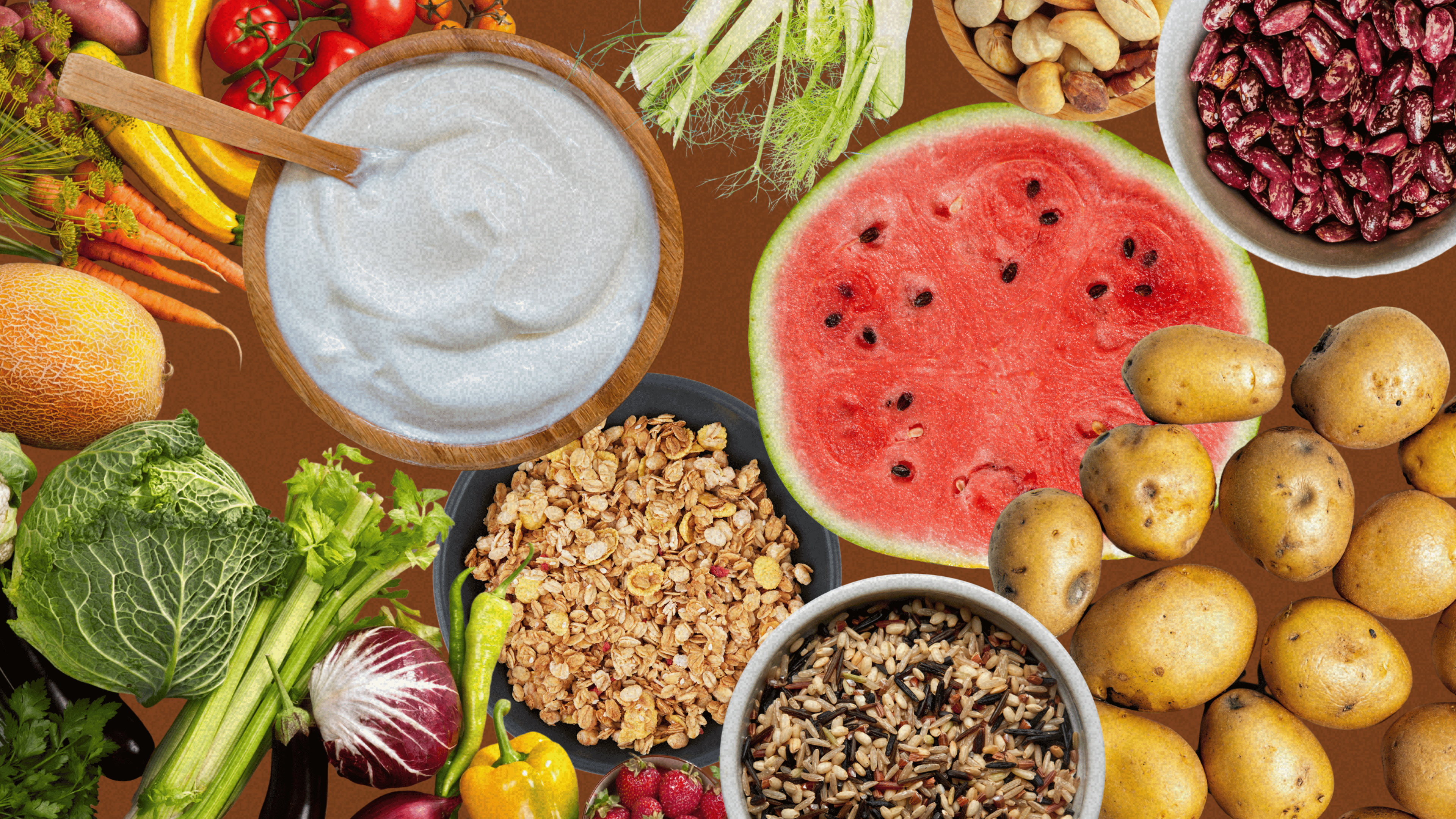
What’s most important about your diet when it comes to sleep is your overall eating pattern. So far, a Mediterranean style of eating seems to be one of the more helpful types of eating plans for sleep (and cognitive function, heart health, and weight loss). Mediterranean diets prioritize fruits, vegetables, legumes, whole grains, lean proteins, and heart-healthy fats. “Those foods are correlated with not only better quality sleep, but reduced incidence of insomnia symptoms,” Susie says.
That means many of the best foods for sleep fit squarely into a Mediterranean style of eating and also pack plenty of health benefits for other parts of the body. Here are some foods that experts recommend trying for better sleep.
Nuts
Nuts like walnuts and pistachios are among the highest natural sources of melatonin, a key sleep-related hormone. Research suggests that when people eat more foods that are high in melatonin, they tend to fall asleep faster and sleep for longer.
Cherries, grapes, tomatoes, peppers, mushrooms, pistachios, eggs, and fish also contain melatonin. These foods don’t have sky-high amounts of melatonin, and some contain more precursors to melatonin than the hormone itself, Tahir says. But they can still support the body’s constant need to make melatonin to regulate sleep patterns.
Kiwi
Kiwis are rich in serotonin, a neurotransmitter and hormone that promotes sleep and affects your body’s natural sleep-wake cycle (called your circadian rhythm). Some research has linked eating kiwis to better sleep quality and fewer middle-of-the-night wakeups. It’s also a source of the B vitamin folate, Susie says, and folate deficiency is linked to insomnia.
Spinach
Not getting enough magnesium is linked with insomnia and lower sleep quality, Susie adds. Nuts, seeds, beans, avocado, banana, whole grains, and other leafy greens are also good sources of magnesium.
Chicken
Despite what you often hear around Thanksgiving, chicken actually contains more sleep-promoting tryptophan than turkey. Tryptophan is an amino acid—a building block of protein—which your brain uses to make serotonin and melatonin. That means eating foods with tryptophan can help you feel sleepy at appropriate sleep and wake times, Tahir says.
Eggs, cheese, milk, pumpkin seeds, and fish all contain tryptophan, so “having these foods regularly can promote better quality of sleep,” she says.
Salmon
Fatty fish like salmon are rich in omega-3 fatty acids, good-for-you fats linked with better heart and cognitive health and lower inflammation. Omega-3s are also associated with better sleep, largely due to the way they promote healthy brain-cell function and decrease inflammation in the brain, Tahir says. These fats are also involved in creating serotonin and melatonin, she adds.
Aim to get at least two servings of fatty fish a week, Susie says. Products in cans or pouches are convenient options because they’re shelf-stable but deliver the same nutritional value as fresh fish, she says. And you don’t have to only eat salmon: Mackerel, anchovies, sardines, and herring are also high in omega-3s.
Beans
In addition to magnesium, beans also contain fiber, which is famous for keeping your digestive system moving. A healthy gut has been linked to better sleep quality. Try adding chickpeas to salads, lentils to stews, or kidney beans to meat sauce with pasta, Susie recommends.
When foods don’t help
Dietary changes require consistency to see results, whether you’re hoping for better sleep or a different number on the scale. “Overall diet pattern is more important than the individual foods,” Susie says.
And you’re unlikely to see much of a change in your sleep from your food choices alone if you haven’t also addressed underlying sleep disorders, medications that might interfere with sleep, or habits like bringing your phone into your bed, Tahir says.
If you’ve made some dietary changes and still have trouble getting enough or good-quality sleep, she recommends making sure you also follow these hallmark sleep hygiene rules: Stick to a regular sleep and wake schedule; keep your bedroom cool, dark, and quiet; limit caffeine after about 1-2 p.m.; and avoid alcohol too close to bedtime.
If you’re frequently waking up during the night or waking up in the morning feeling unrefreshed, talk to a doctor. “There’s no hack, no food, no supplement, no blanket, no mask that’s going to help” if there’s an undiagnosed sleep disorder present, Tahir says. “That we need to address [with] a medical diagnosis and an individualized treatment plan.”















 English (US) ·